




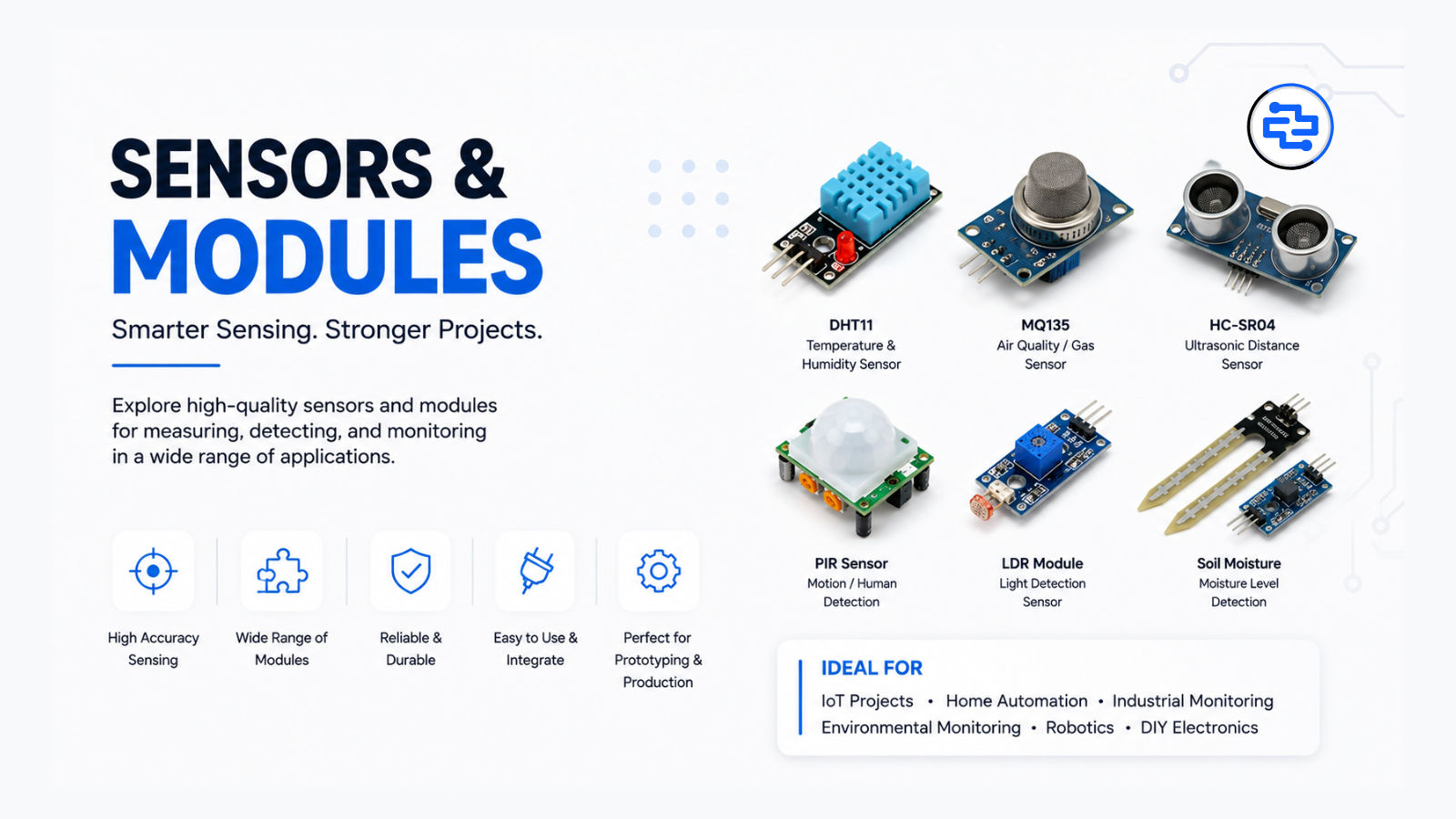
What is a Sensor? A Complete Beginner's Guide to Sensors
Learn what a sensor is, how it works, the different types of sensors, and their applications in electronics, IoT, robotics, and industrial automation. This beginner-friendly guide also explains how to choose the right sensor for your project and where sensors are commonly used.
What is a Sensor? A Complete Beginner's Guide to Sensors
Sensors are an essential part of modern technology. From smartphones and smart homes to industrial automation and self-driving cars, sensors help devices detect changes in their environment and respond intelligently. Whether you're building an Arduino project, designing an IoT solution, or working on an industrial automation system, understanding sensors is the first step toward creating smarter electronic systems.
In this guide, we'll explain what a sensor is, how it works, the different types of sensors, their applications, and how to choose the right sensor for your project.
What is a Sensor?
A sensor is an electronic device that detects or measures a physical quantity from its surroundings and converts it into an electrical signal that can be processed by a microcontroller, computer, or control system.
Sensors allow electronic devices to interact with the real world by measuring parameters such as temperature, light, distance, pressure, humidity, motion, sound, gas concentration, and many more.
Without sensors, modern automation, robotics, and Internet of Things (IoT) systems would not be possible.
How Does a Sensor Work?
A sensor continuously monitors a physical condition in its environment. When it detects a change, it converts that change into an electrical signal. This signal is then processed by a development board such as an Arduino, ESP32, Raspberry Pi, or STM32, which performs a programmed action based on the sensor's input.
For example:
A temperature sensor measures heat and sends the temperature value to a microcontroller.
A motion sensor detects movement and activates a security alarm.
A soil moisture sensor measures water content in soil and automatically turns on an irrigation system.
This ability to sense and respond makes sensors a critical component in modern electronics.
Main Components of a Sensor System
A typical sensor-based system includes:
Sensor Element
The sensing element detects the physical quantity, such as light, temperature, pressure, or motion.
Signal Conditioning Circuit
This circuit amplifies, filters, or converts the sensor's signal into a usable form.
Output Interface
The processed signal is sent to a controller through analog or digital outputs.
Microcontroller or Processor
A development board or controller reads the sensor data and performs actions based on programmed logic.
Types of Sensors
There are many different types of sensors, each designed for a specific purpose.
Temperature Sensors
Temperature sensors measure heat and are commonly used in weather stations, HVAC systems, industrial machines, and medical equipment.
Examples include:
DS18B20
LM35
DHT11
DHT22
Humidity Sensors
Humidity sensors measure the moisture level in the air.
Common applications include:
Smart agriculture
Weather monitoring
Greenhouses
Air conditioning systems
Proximity Sensors
Proximity sensors detect nearby objects without physical contact.
They are widely used in:
Automatic doors
Parking systems
Robotics
Industrial automation
Ultrasonic Sensors
Ultrasonic sensors measure distance using sound waves.
Popular applications include:
Obstacle avoidance robots
Water level monitoring
Distance measurement
Smart parking systems
A common example is the HC-SR04 ultrasonic sensor.
Motion Sensors
Motion sensors detect movement within a specific area.
Applications include:
Home security systems
Automatic lighting
Smart surveillance
Industrial safety
Light Sensors
Light sensors measure the intensity of light.
Common uses include:
Automatic street lights
Mobile phone brightness control
Solar tracking systems
Smart lighting
Gas Sensors
Gas sensors detect the presence of gases such as LPG, methane, carbon monoxide, and smoke.
Applications include:
Gas leakage detection
Fire safety systems
Industrial monitoring
Air quality measurement
Popular examples include MQ-series gas sensors.
Pressure Sensors
Pressure sensors measure the force applied by liquids or gases.
They are commonly found in:
Industrial equipment
Automotive systems
Medical devices
Hydraulic systems
Soil Moisture Sensors
These sensors measure the water content in soil and are widely used in:
Smart farming
Automatic irrigation
Greenhouse monitoring
Analog vs Digital Sensors
Sensors are generally available in two output types.
Analog Sensors
Analog sensors produce a continuous voltage that changes according to the measured quantity.
Examples:
LM35
LDR
Potentiometer
Digital Sensors
Digital sensors provide digital data that can be directly read by a microcontroller.
Examples:
DHT22
DS18B20
MPU6050
Applications of Sensors
Sensors are used in almost every industry.
Internet of Things (IoT)
Sensors collect real-time data for cloud-connected devices, enabling smart monitoring and automation.
Robotics
Robots use sensors for navigation, obstacle detection, line following, balance, and environmental awareness.
Industrial Automation
Factories rely on sensors for machine monitoring, quality control, predictive maintenance, and process automation.
Healthcare
Medical sensors are used in patient monitoring devices, thermometers, wearable fitness trackers, and diagnostic equipment.
Agriculture
Smart farming uses sensors to monitor soil moisture, temperature, humidity, and environmental conditions to improve crop productivity.
Automotive
Modern vehicles use sensors for parking assistance, engine management, airbag systems, tire pressure monitoring, and driver safety features.
Smart Homes
Sensors enable automated lighting, security systems, smart thermostats, water leak detection, and energy management.
How to Choose the Right Sensor
When selecting a sensor for your project, consider the following:
Measurement Type
Choose a sensor designed to measure the required physical quantity.
Measurement Range
Ensure the sensor can accurately measure within your application's expected range.
Accuracy
Higher accuracy is important for industrial and scientific applications.
Output Type
Determine whether your controller requires analog or digital outputs.
Operating Voltage
Verify compatibility with your development board, such as Arduino, ESP32, Raspberry Pi, or STM32.
Environmental Conditions
Choose sensors that can withstand temperature, humidity, vibration, or dust if used outdoors or in industrial settings.
Popular Sensors Available at Directronics
At Directronics, we offer a wide range of genuine sensors and sensor modules suitable for students, hobbyists, engineers, startups, and industrial applications.
Our collection includes:
Temperature Sensors
Humidity Sensors
Gas Sensors
Ultrasonic Sensors
Motion Sensors
Light Sensors
Pressure Sensors
Soil Moisture Sensors
Water Flow Sensors
RFID Sensors
Fingerprint Sensors
IMU and Accelerometer Modules
Whether you're creating a simple Arduino project or developing an advanced IoT solution, you'll find the right sensor for your application.
Frequently Asked Questions
What is a sensor?
A sensor is an electronic device that detects a physical quantity, such as temperature, light, pressure, or motion, and converts it into an electrical signal for processing.
Why are sensors important?
Sensors enable electronic systems to monitor their environment and make intelligent decisions, making them essential for automation, robotics, IoT, and industrial applications.
What are the main types of sensors?
Some of the most common types include temperature sensors, humidity sensors, ultrasonic sensors, gas sensors, motion sensors, pressure sensors, light sensors, and proximity sensors.
Can sensors be used with Arduino?
Yes. Most sensor modules are designed to work with Arduino, ESP32, Raspberry Pi, STM32, and other popular development boards.
Conclusion
A sensor is one of the most important building blocks of modern electronic systems. By detecting changes in the physical world and converting them into electrical signals, sensors enable devices to monitor, analyze, and respond intelligently. From simple DIY projects to advanced industrial automation, sensors play a vital role in creating innovative solutions.
If you're looking for genuine sensors, sensor modules, and development boards for your next project, explore the extensive range available at Directronics. Whether you're a student, maker, engineer, or industry professional, Directronics has the components you need to bring your ideas to life.
Related Products
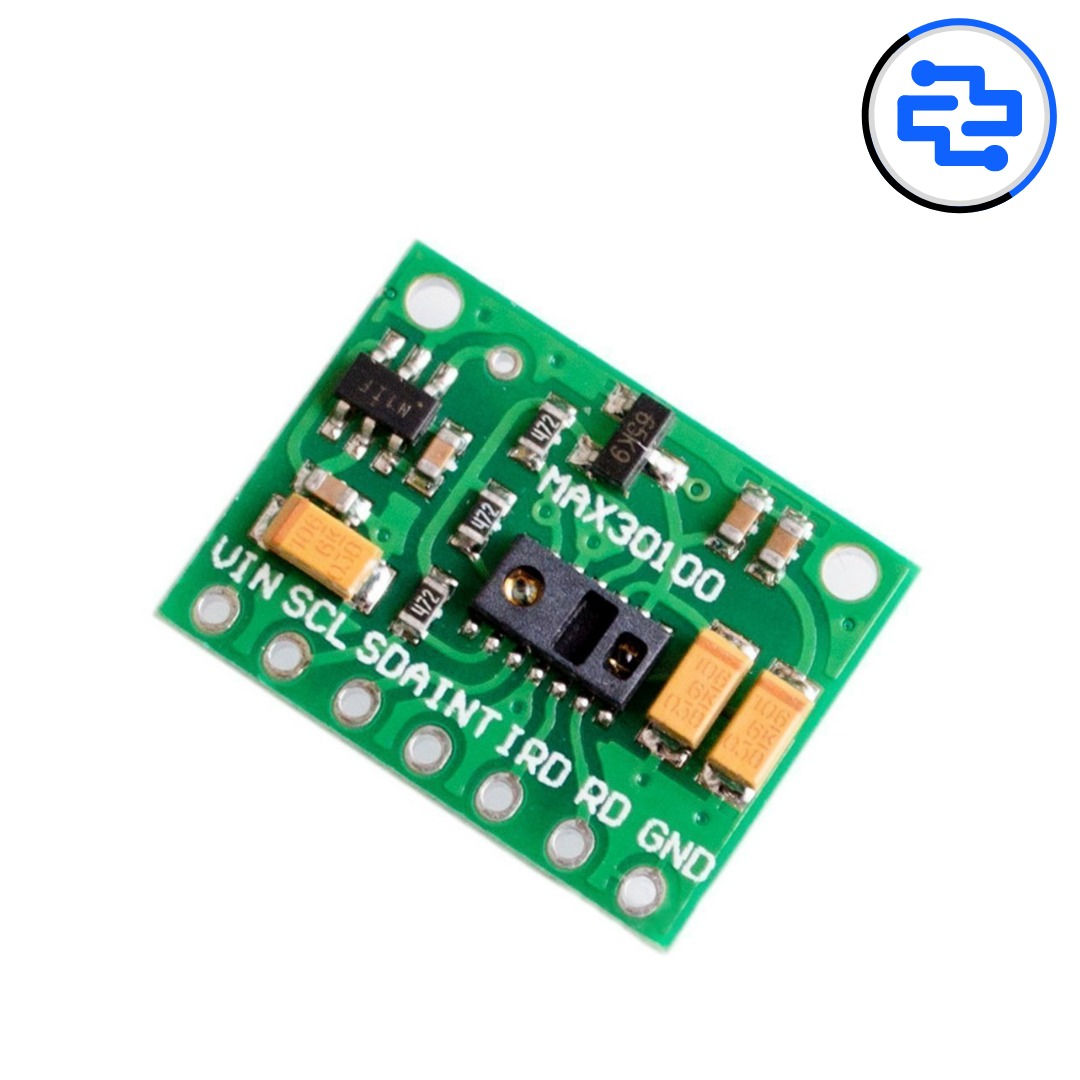
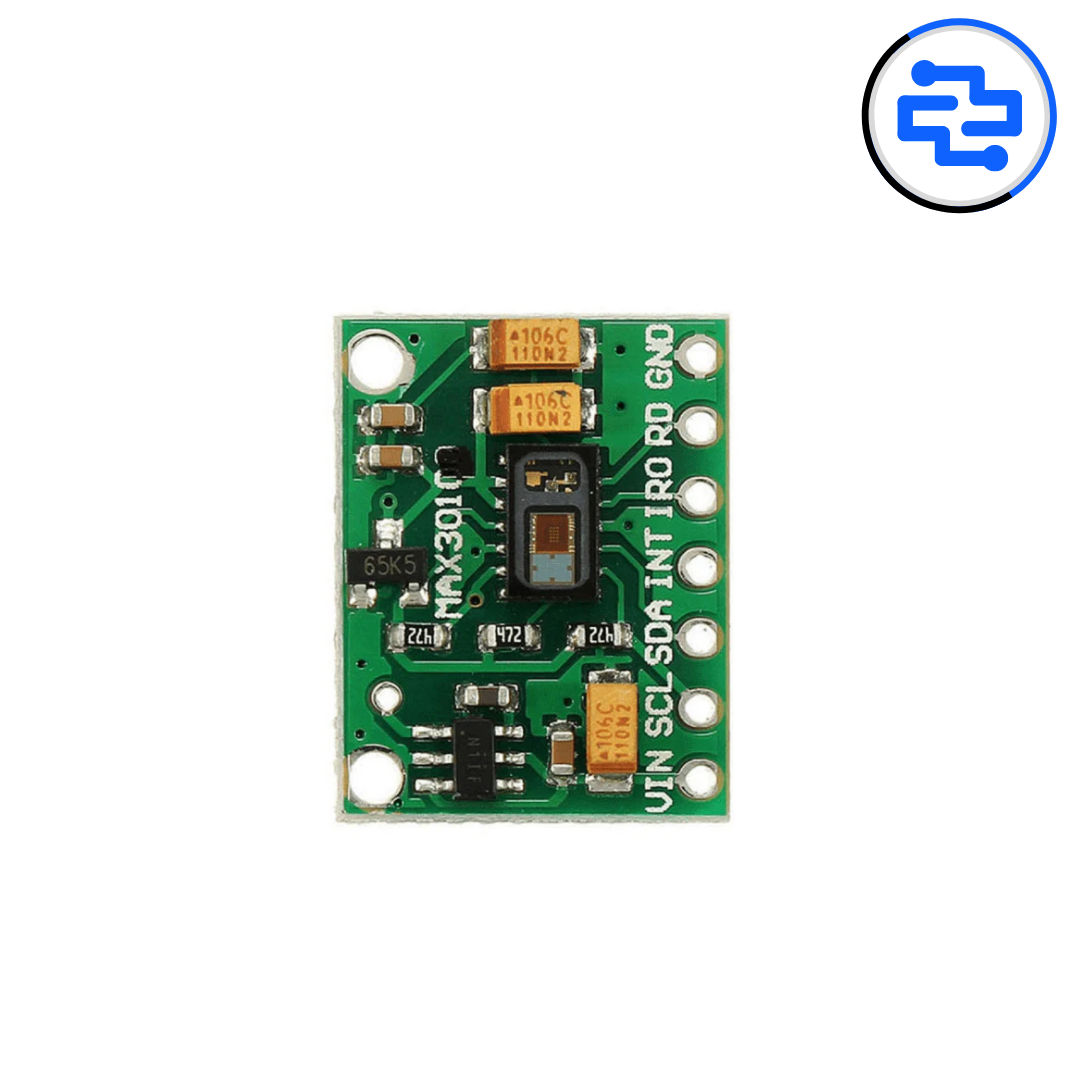
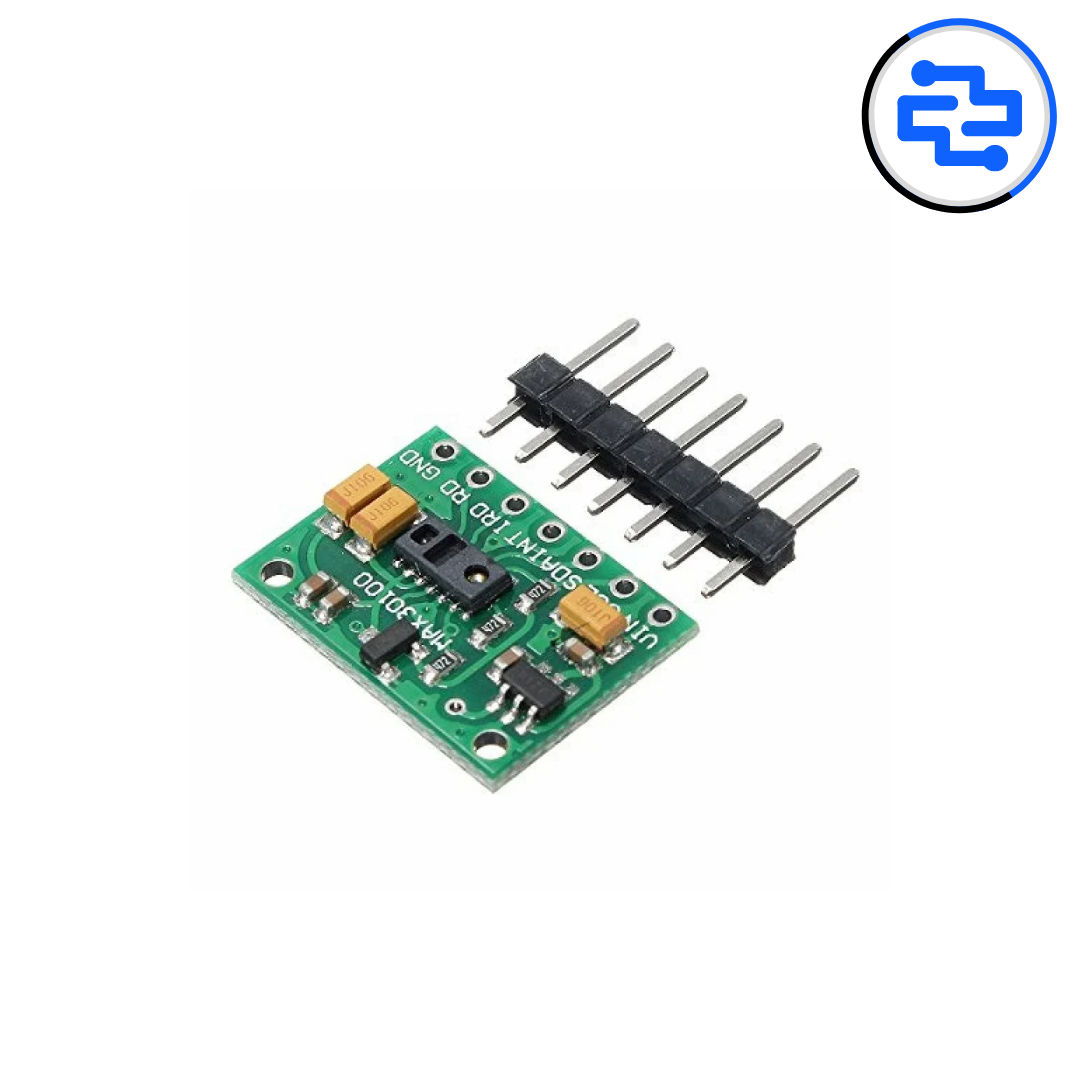
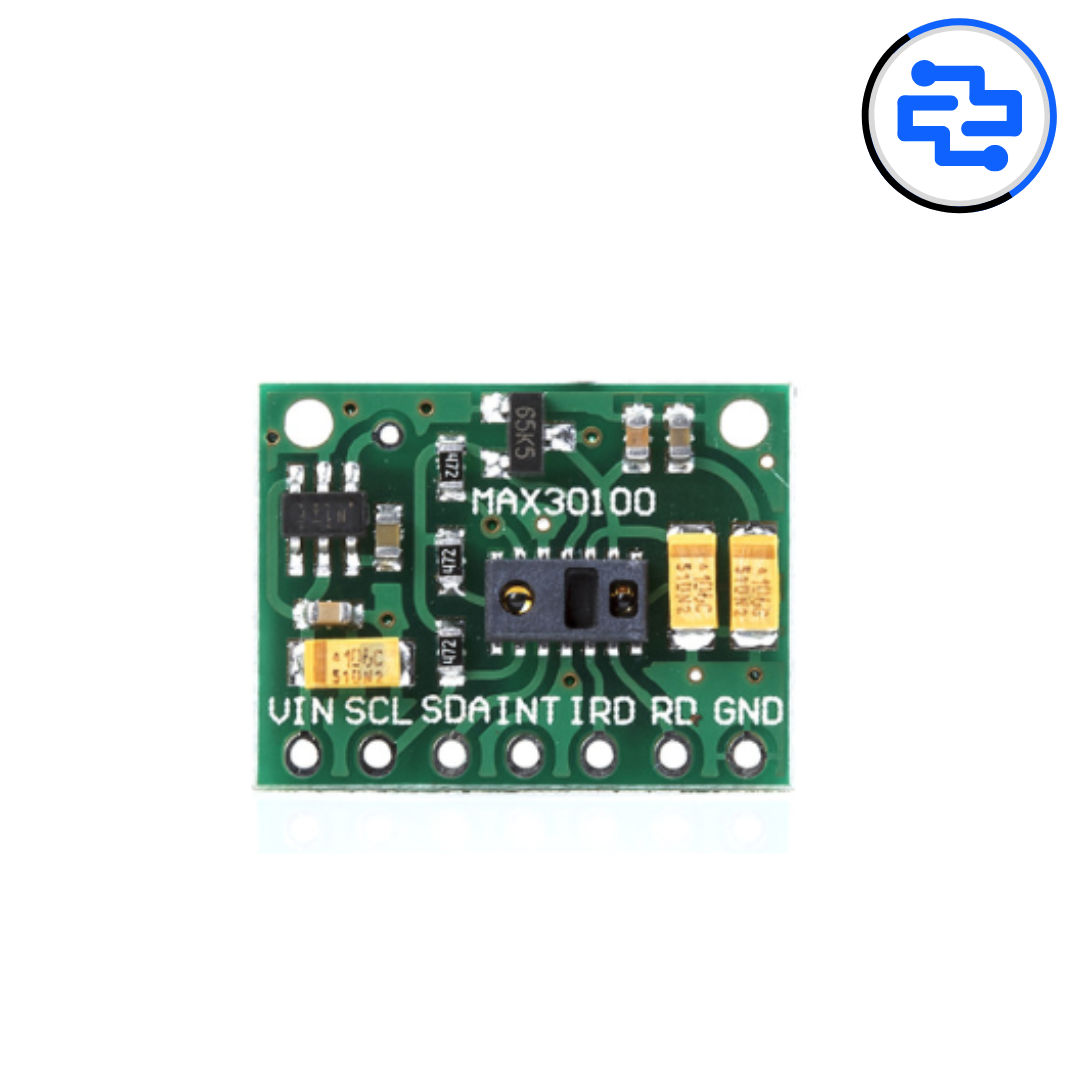
MAX30100 Pulse Oximeter Heart Rate Sensor Module
In Stock
₹150.00
(Excl. GST)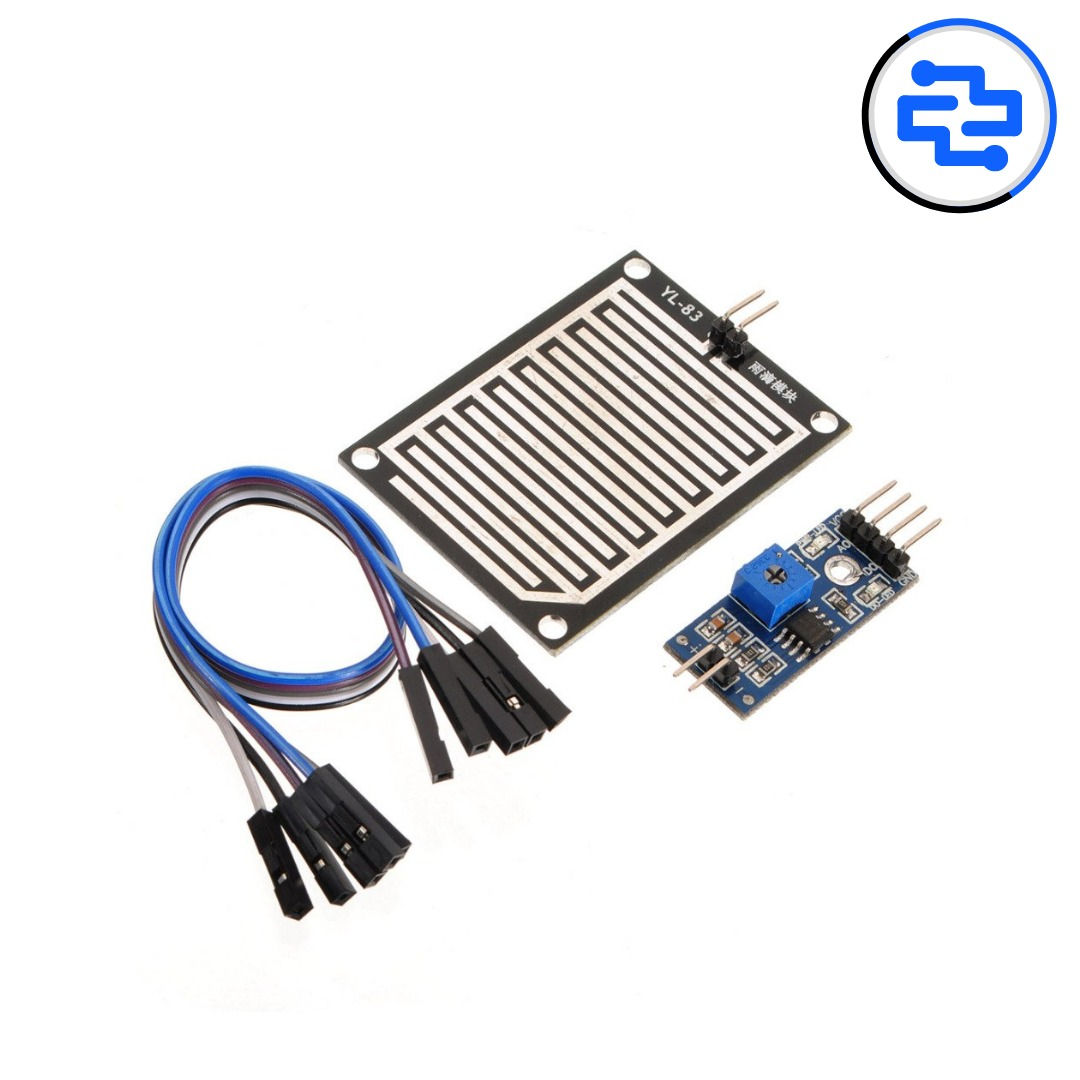
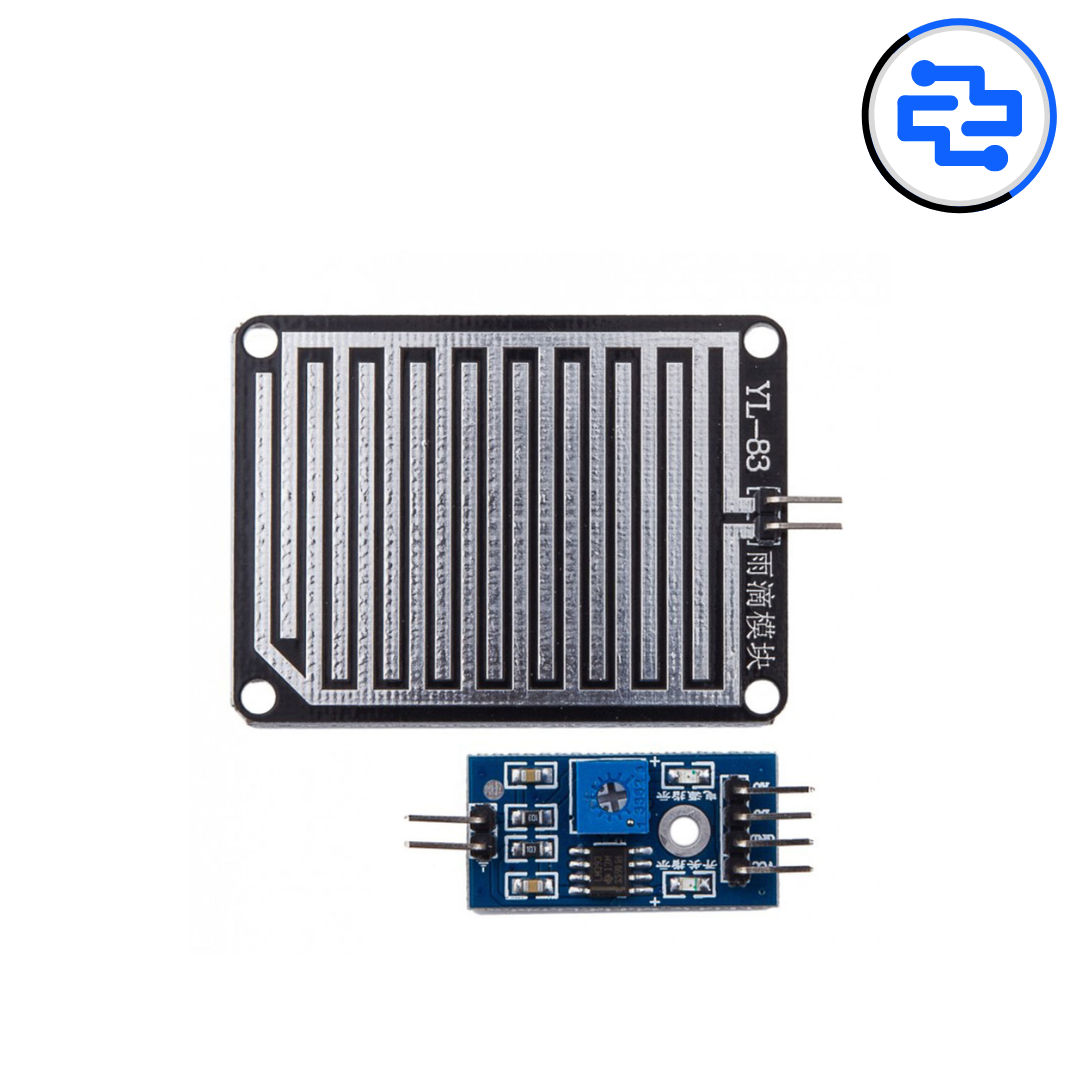
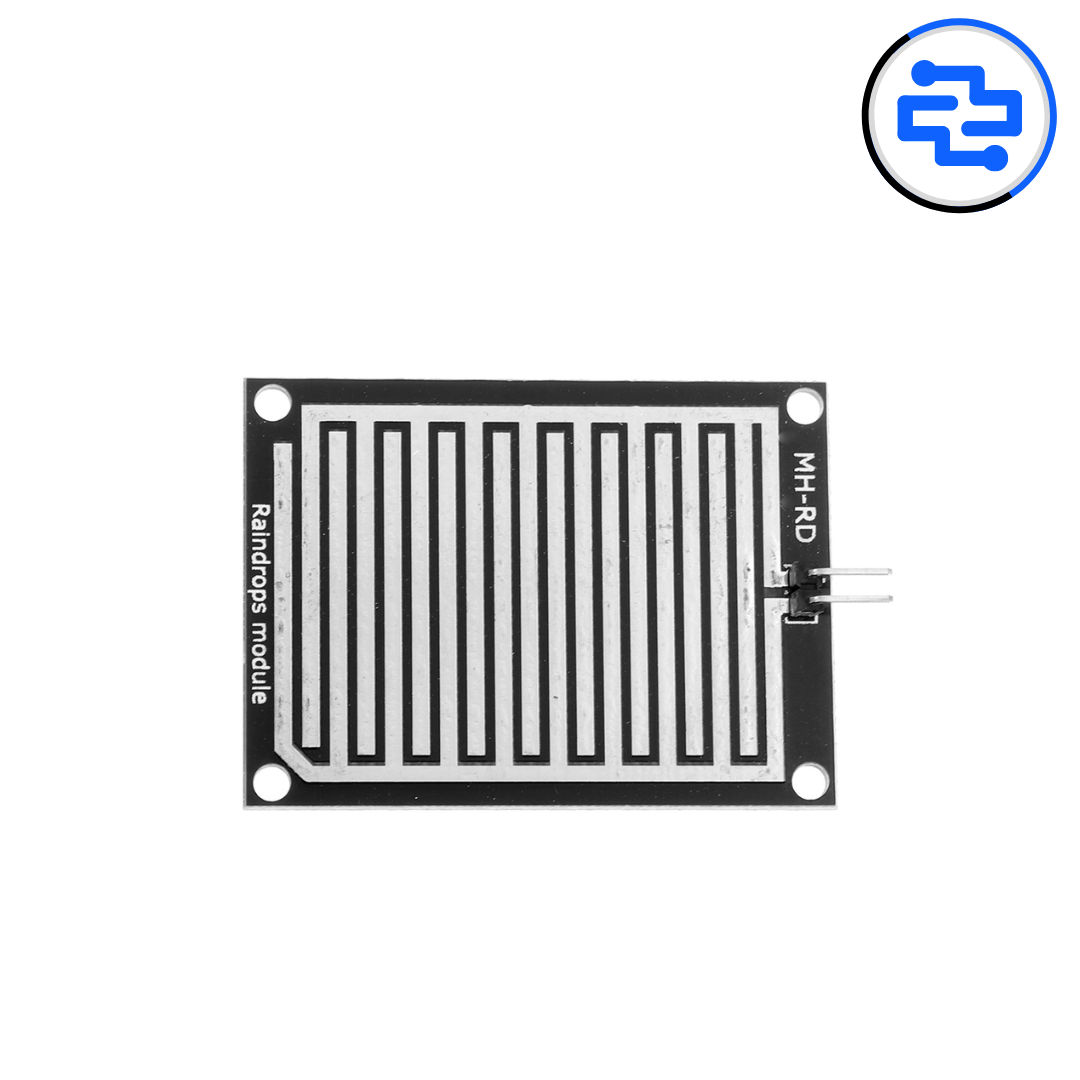
Raindrop Detection Sensor Module
In Stock
₹50.00
(Excl. GST)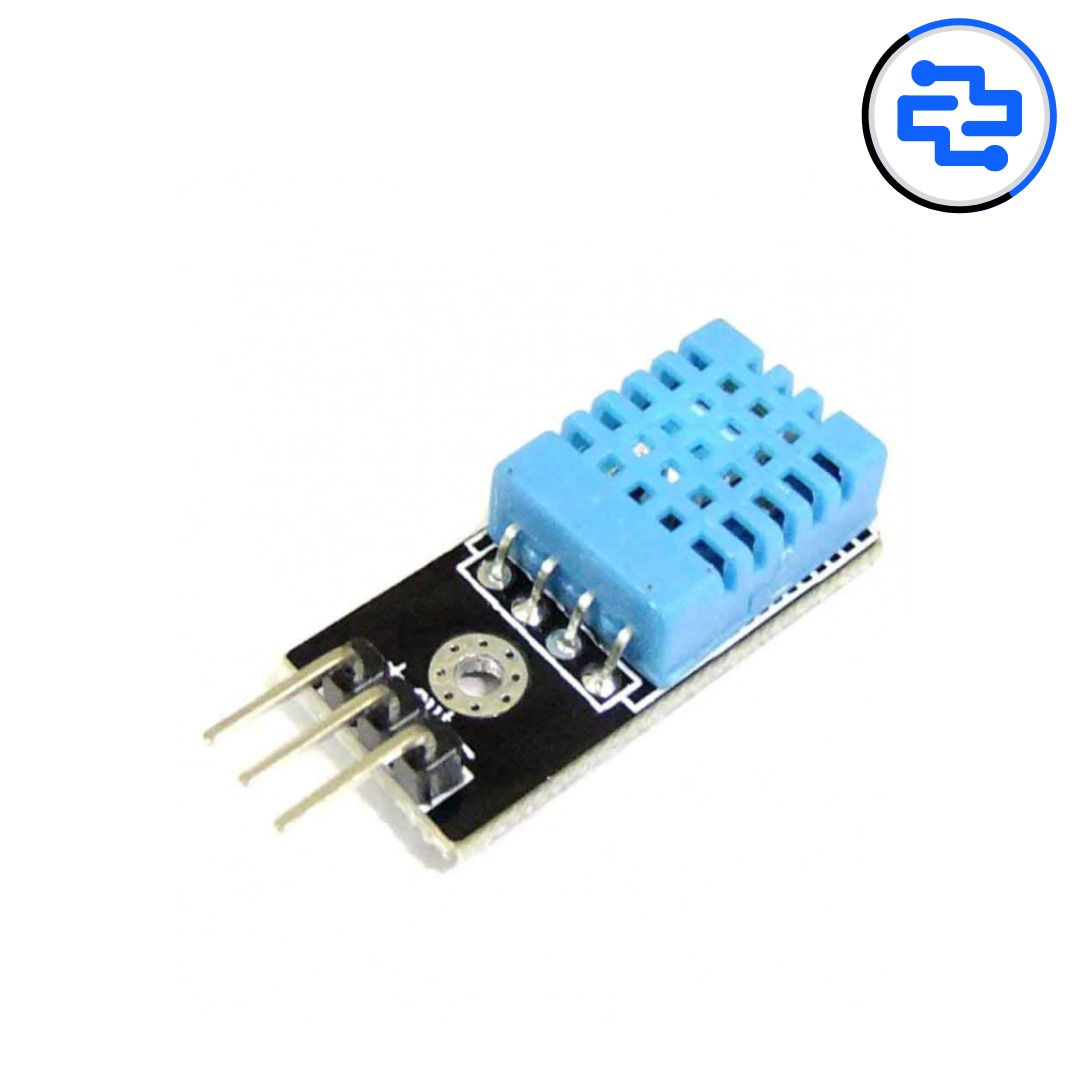
DHT11 Humidity and Temperature Sensor Module
In Stock
₹60.00
(Excl. GST)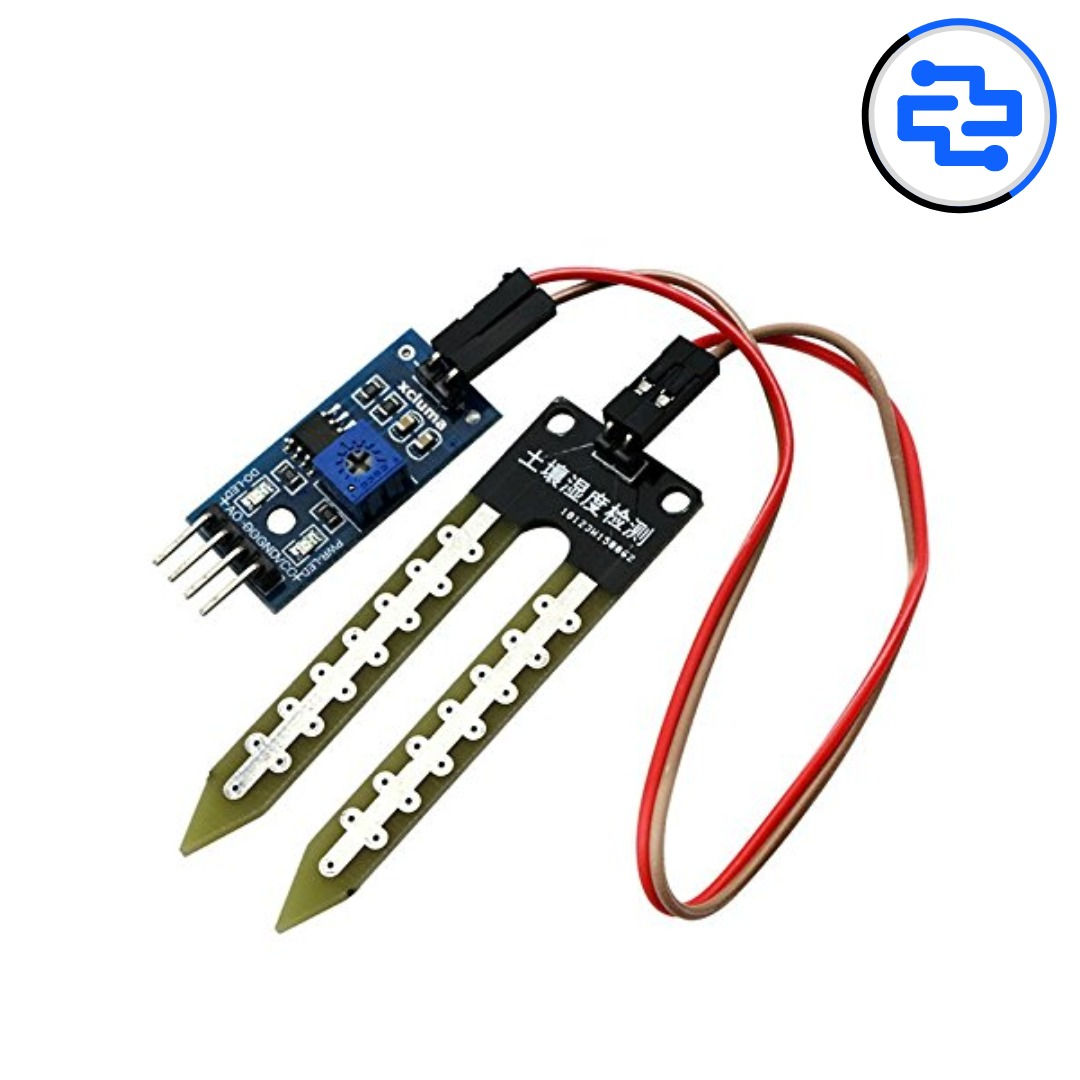
Soil Moisture Sensor Module
In Stock
₹70.00
(Excl. GST)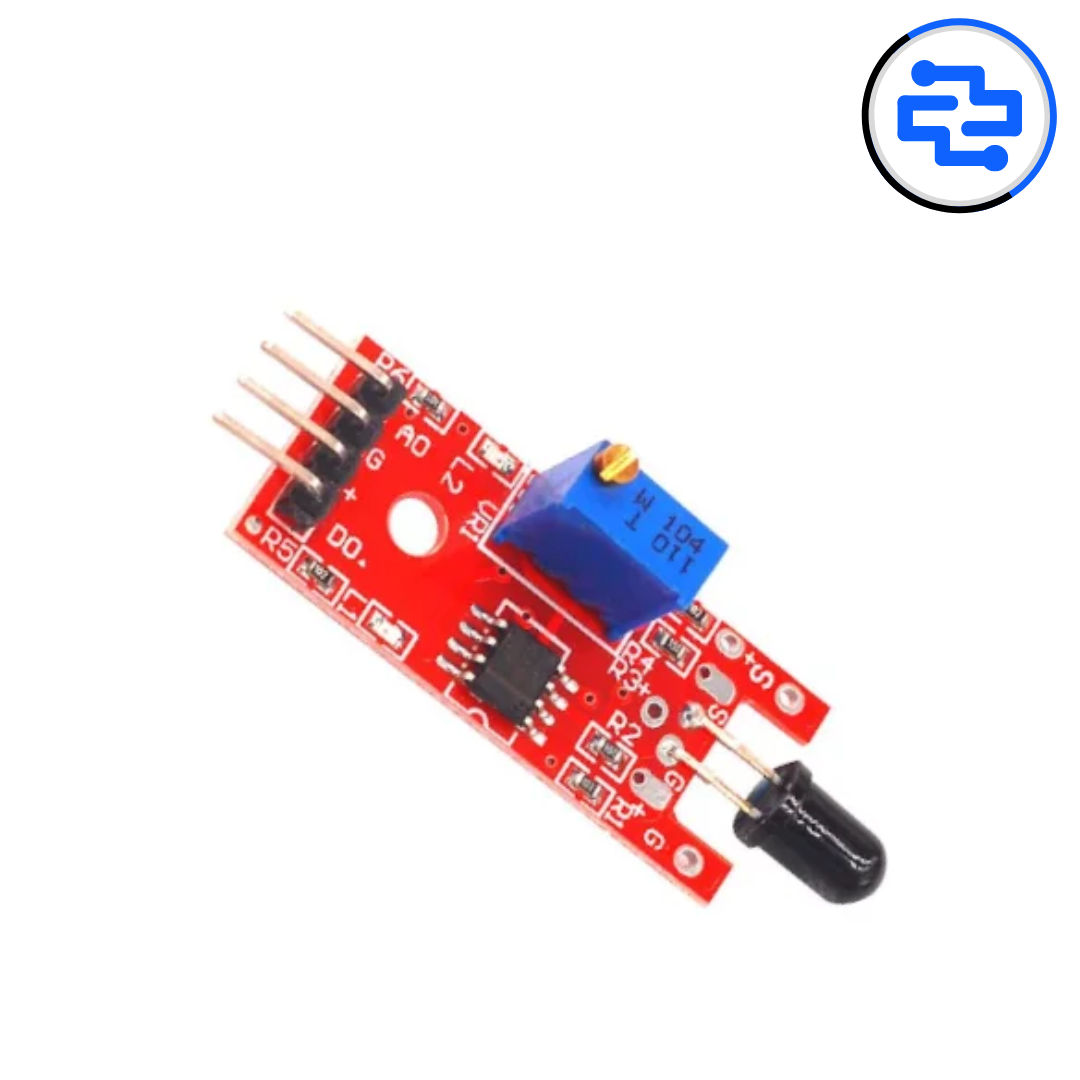
Flame Sensor Detection Module
In Stock
₹55.00
(Excl. GST)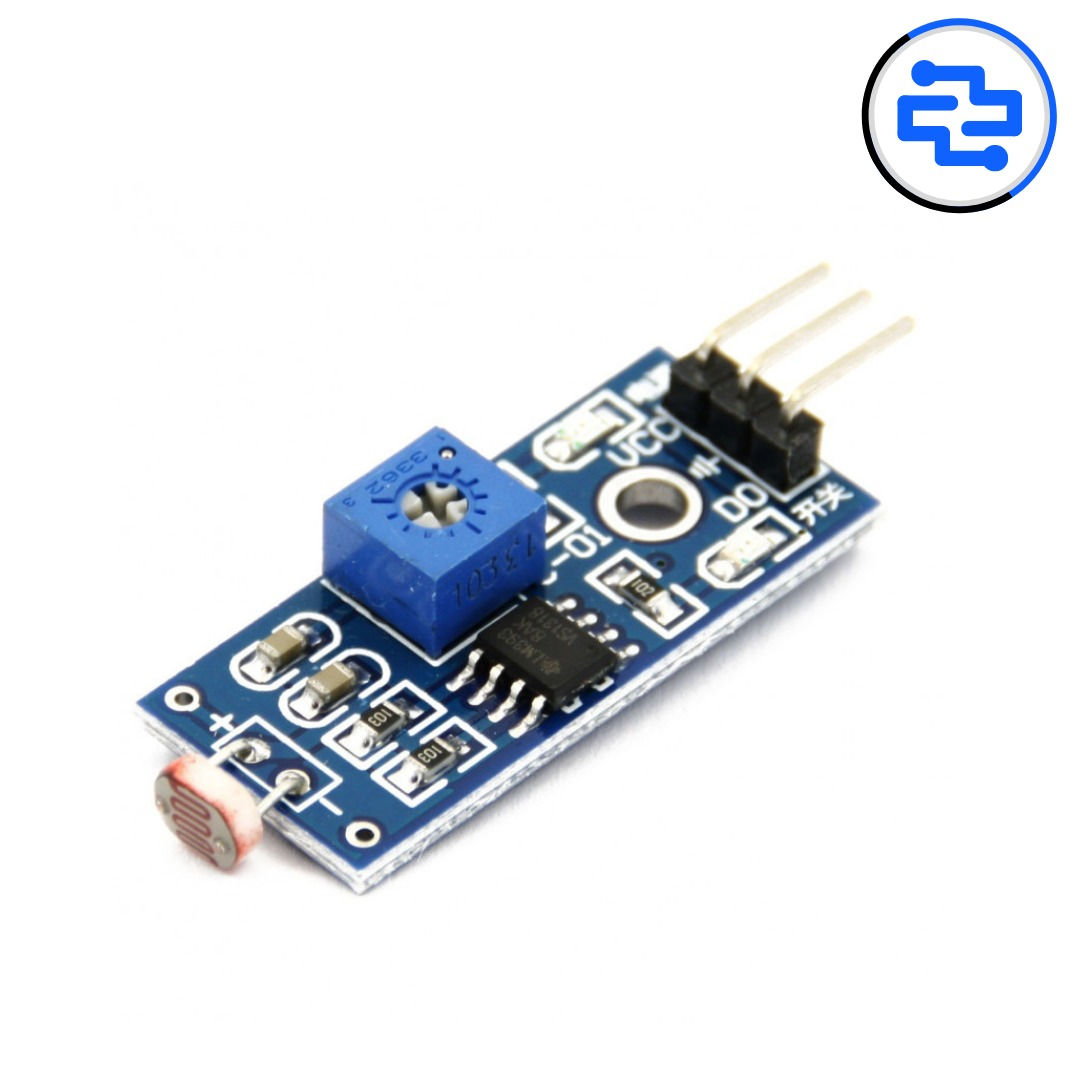
Digital LDR Module
In Stock
₹40.00
(Excl. GST)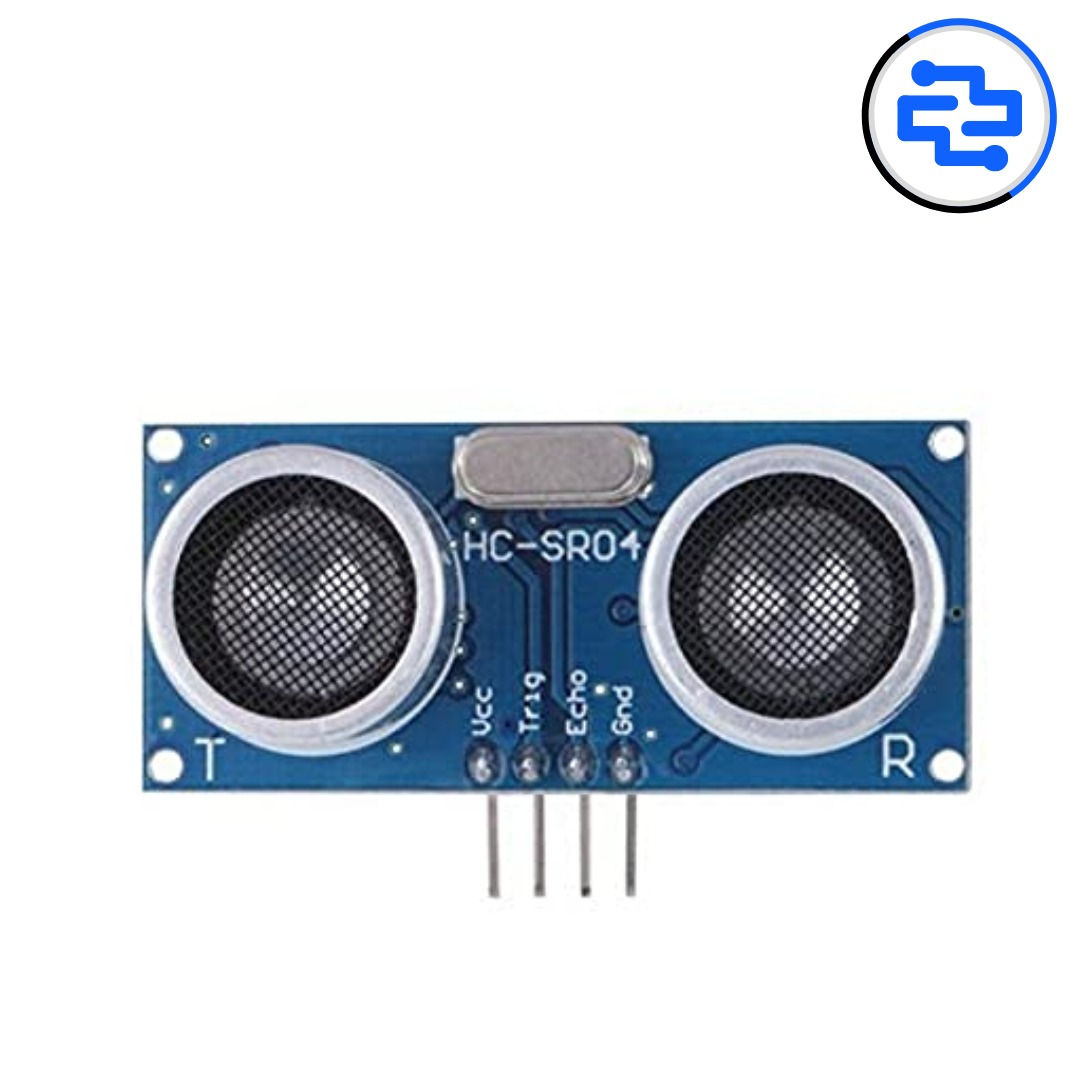
HC-SR04 Ultrasonic Sensor Module
In Stock
₹85.00
(Excl. GST)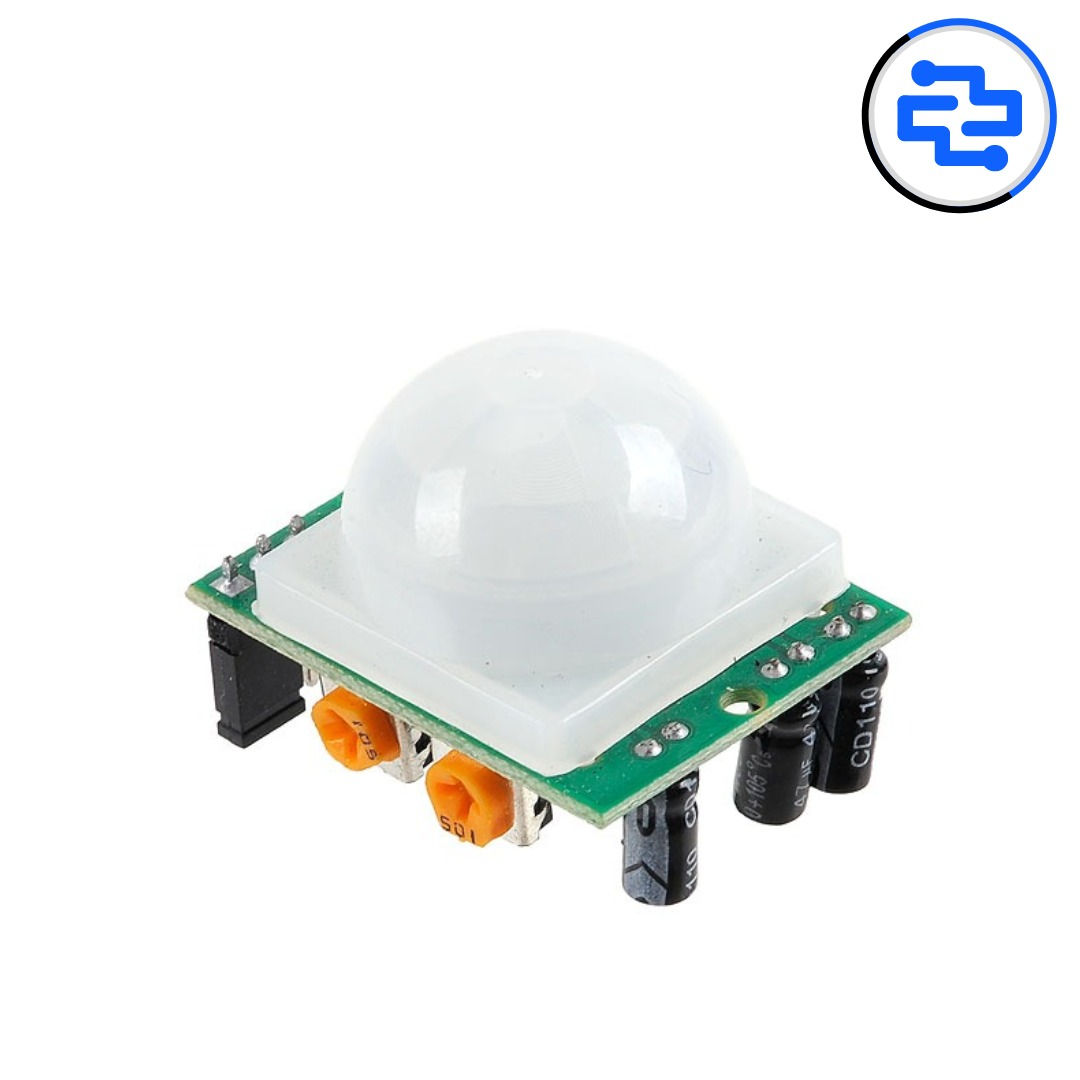
PIR Motion Sensor Detector Module
In Stock
₹72.00
(Excl. GST)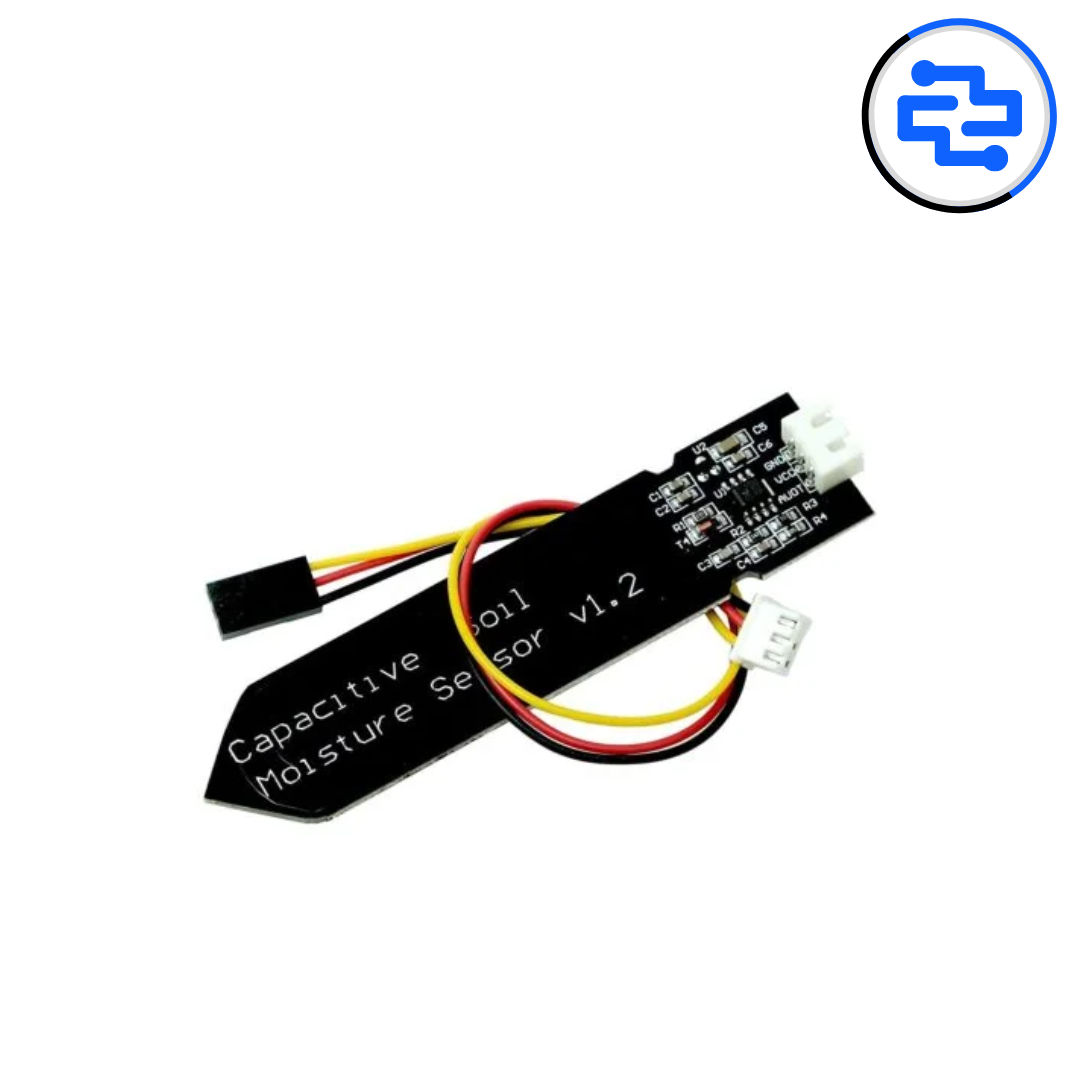
Capacitive Soil Moisture Sensor
In Stock
₹100.00
(Excl. GST)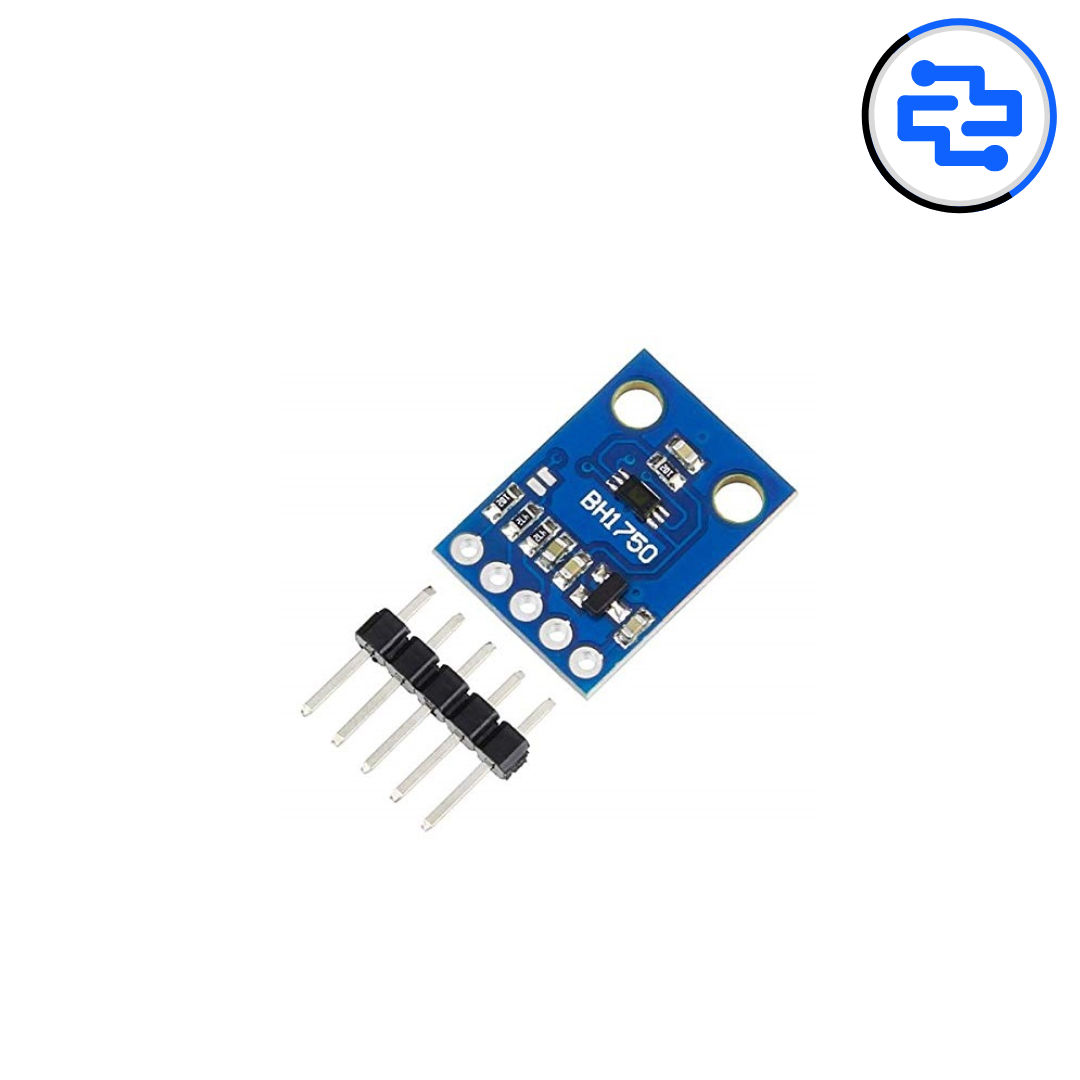
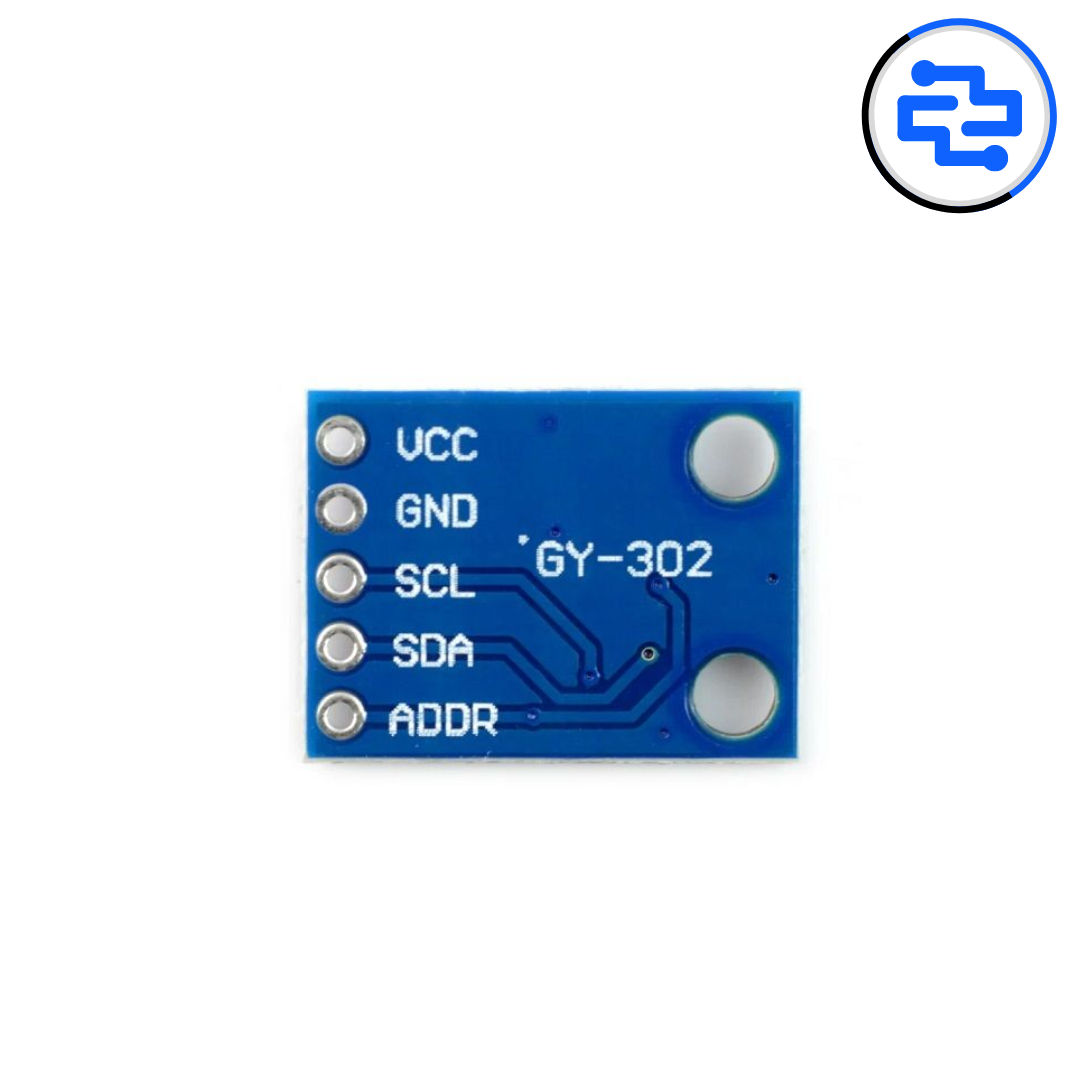
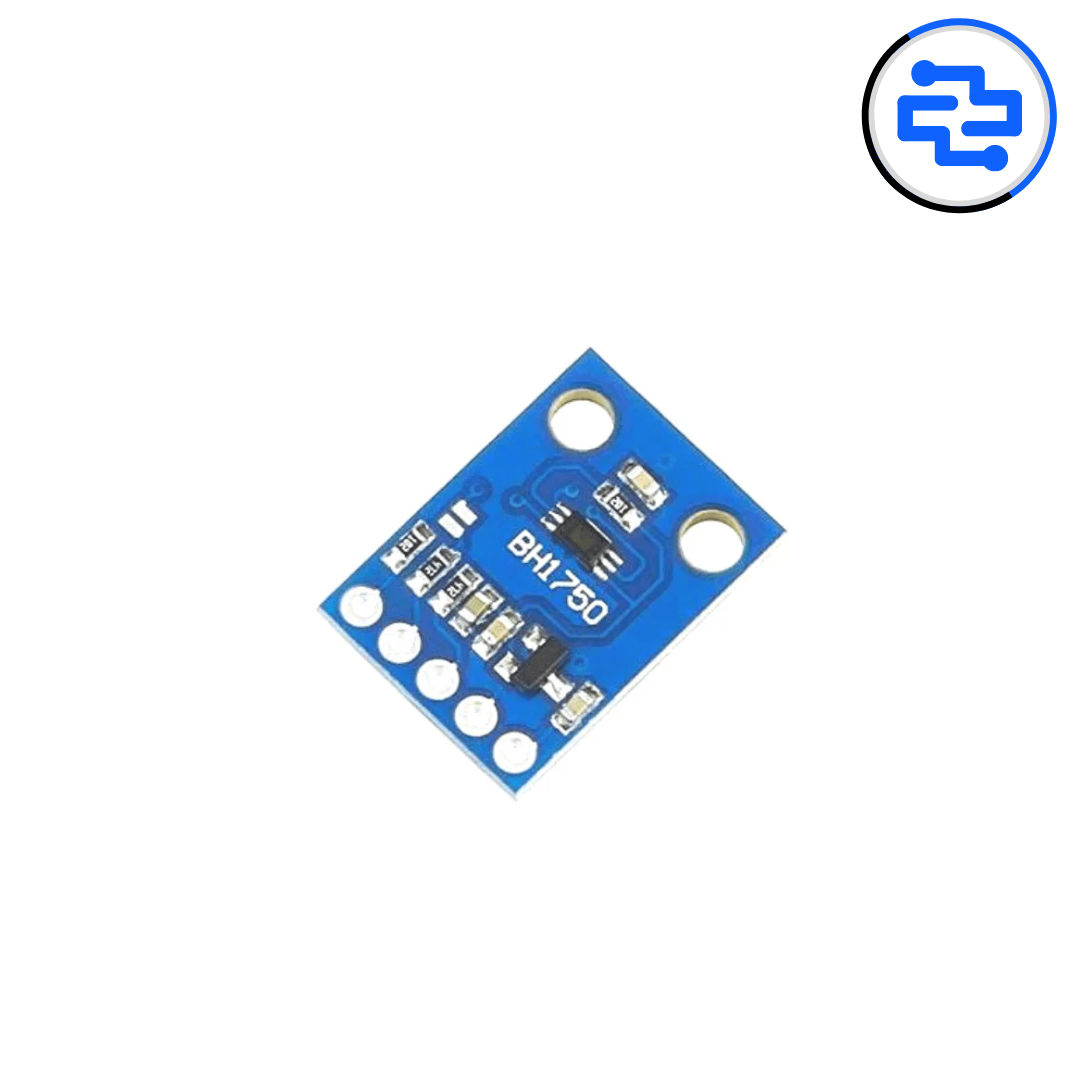
BH1750 Light Intensity Module
In Stock
₹90.00
(Excl. GST)