



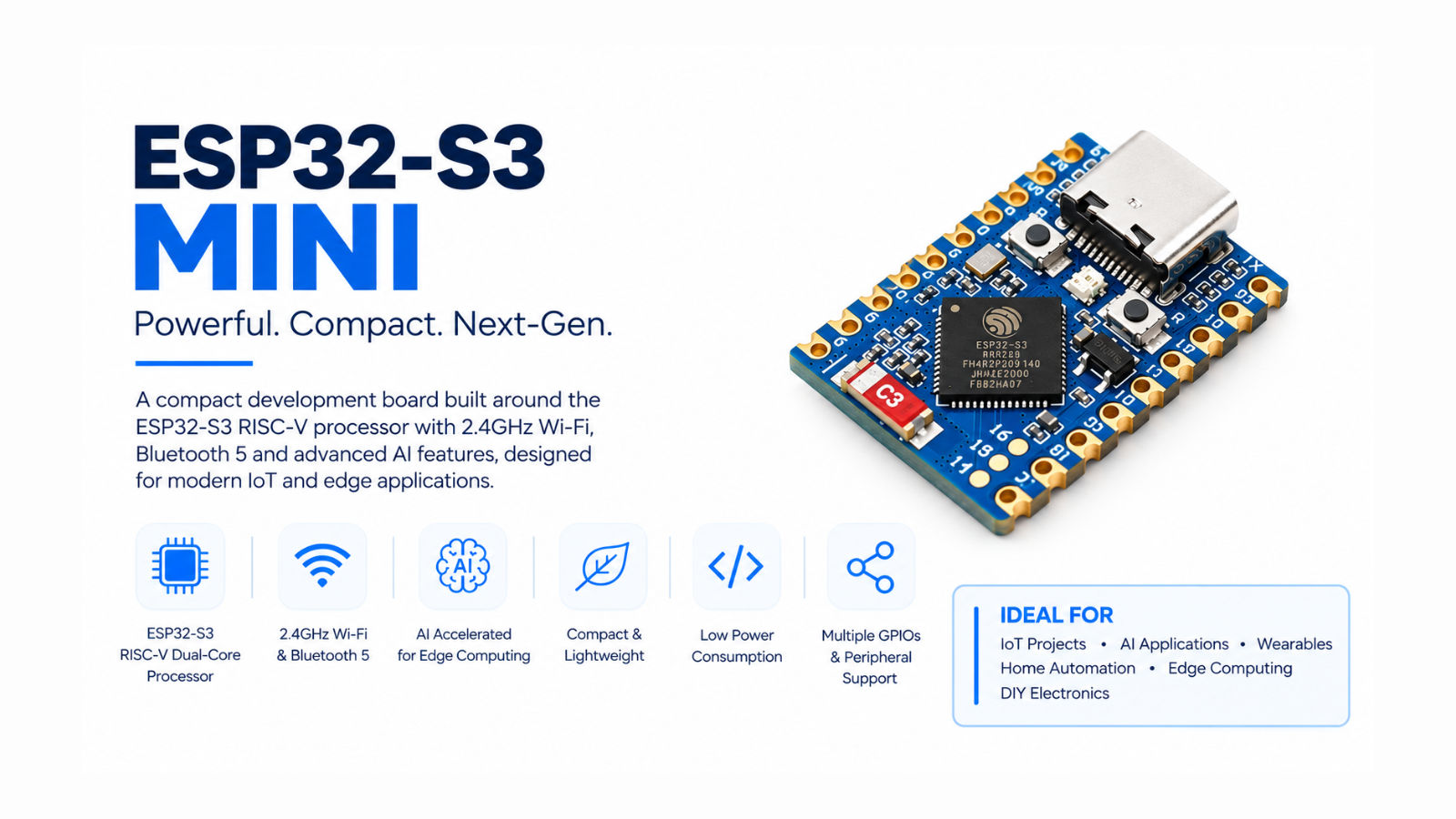
ESP32-S3 Mini Development Board: Complete Guide
Discover the ESP32-S3 Mini Development Board, a compact and powerful platform featuring Wi-Fi, Bluetooth LE, dual-core processing, USB connectivity, and advanced peripherals. Learn about its key features, specifications, applications, programming options, and why it is a strong choice for **IoT, robotics, embedded systems, and AI-based projects.
ESP32-S3 Mini Development Board: Complete Guide
If you are working on an IoT, smart home, robotics, automation, or embedded electronics project, the ESP32-S3 Mini Development Board is a compact platform worth exploring.
The ESP32-S3 belongs to Espressif's ESP32 family and is designed for applications that require wireless connectivity, higher processing capability, USB connectivity, and additional peripherals in a relatively small form factor.
In this guide, we will explain what the ESP32-S3 Mini is, its key features, specifications, applications, programming options, and how it compares with other popular ESP32 boards.
What is the ESP32-S3 Mini Development Board?
The ESP32-S3 Mini Development Board is a compact development board based on the ESP32-S3, a 32-bit Xtensa LX7-based SoC from Espressif.
The ESP32-S3 combines:
2.4 GHz Wi-Fi
Bluetooth Low Energy (BLE)
Dual-core processing
USB connectivity
GPIO
ADC
PWM
SPI
I²C
UART
Capacitive touch sensing
Vector instructions designed to accelerate certain signal-processing and machine-learning workloads
This combination makes the ESP32-S3 suitable for applications ranging from basic IoT devices to more advanced embedded and AI-enabled projects.
Key Features of ESP32-S3 Mini
Dual-Core 32-bit Processor
The ESP32-S3 uses dual-core Xtensa LX7 processors and supports clock frequencies of up to 240 MHz.
The additional processing capability can be useful when a project needs to handle several operations such as sensor processing, wireless communication, user interfaces, and control logic.
Built-in 2.4 GHz Wi-Fi
The ESP32-S3 provides integrated 2.4 GHz Wi-Fi, allowing projects to connect to wireless networks without requiring an external Wi-Fi module.
This makes it suitable for:
IoT sensors
Smart home devices
Wireless controllers
Remote monitoring
Cloud-connected applications
Web servers
Bluetooth Low Energy
The ESP32-S3 supports Bluetooth Low Energy (BLE).
BLE can be used to communicate with:
Smartphones
Tablets
BLE sensors
Wearable devices
Other compatible embedded devices
This makes the ESP32-S3 useful for applications requiring both Wi-Fi and Bluetooth connectivity.
Native USB Support
One of the notable features of the ESP32-S3 is its integrated USB functionality.
Depending on the particular development board, USB can be used for:
Programming
Serial communication
Debugging
USB-based applications
This can eliminate the need for a separate USB-to-UART bridge on appropriately designed ESP32-S3 boards.
AI and Machine Learning Applications
The ESP32-S3 includes vector instructions designed to accelerate certain digital signal processing and machine-learning workloads.
This makes it suitable for applications such as:
Keyword detection
Voice-related applications
Sensor classification
Simple edge-AI applications
Image-related processing when paired with suitable hardware
The actual performance of an AI application depends on the model, memory configuration, peripherals, and software implementation.
ESP32-S3 Mini Technical Specifications
Specifications can vary depending on the exact ESP32-S3 Mini development board, so always check the manufacturer's board documentation before designing a project.
Feature | Typical ESP32-S3 Capability |
|---|---|
Main Chip | ESP32-S3 |
CPU | Dual-core Xtensa LX7 |
Maximum Frequency | Up to 240 MHz |
Wi-Fi | 2.4 GHz |
Bluetooth | Bluetooth LE |
USB | USB 2.0 OTG / USB Serial JTAG support |
GPIO | Multiple GPIOs |
ADC | Yes |
PWM | Yes |
UART | Yes |
SPI | Yes |
I²C | Yes |
Capacitive Touch | Yes |
Operating Logic | 3.3V |
Applications | IoT, automation, robotics, AI, embedded systems |
What Can You Build with ESP32-S3 Mini?
The ESP32-S3 Mini can be used for a wide range of electronics projects.
IoT Projects
Use Wi-Fi to send sensor data to a server, cloud platform, or local dashboard.
Examples include:
Temperature monitoring
Air-quality monitoring
Smart energy monitoring
Wireless data logging
Remote equipment monitoring
Smart Home Automation
The ESP32-S3 Mini can be used to develop connected home automation devices.
Projects can include:
Smart switches
Wi-Fi lighting controllers
Smart plugs
Door monitoring
Motion-based automation
Appliance control
Robotics
The board can communicate with sensors and motor-control hardware while providing wireless connectivity.
Potential projects include:
Wi-Fi-controlled robots
BLE-controlled robots
Autonomous sensor platforms
Robotic arms
Remote monitoring robots
AI and Edge Computing
The ESP32-S3's processing architecture and vector instructions make it suitable for selected lightweight edge-AI applications.
Examples include:
Keyword recognition
Voice-triggered devices
Sensor-based classification
Smart control interfaces
Embedded AI experiments
For more computationally intensive AI models, a more powerful processor or dedicated AI hardware may be required.
USB-Based Projects
Because of its USB capabilities, ESP32-S3 can be used in projects involving USB peripherals and custom USB device applications, depending on the board and software implementation.
This opens up additional possibilities compared with some earlier ESP32 platforms.
ESP32-S3 Mini vs ESP32-C3 Mini
Both boards are compact ESP32-family development platforms, but they target somewhat different requirements.
Feature | ESP32-C3 | ESP32-S3 |
|---|---|---|
CPU Architecture | RISC-V | Xtensa LX7 |
CPU Cores | Single-core | Dual-core |
Maximum Frequency | Up to 160 MHz | Up to 240 MHz |
Wi-Fi | Yes | Yes |
Bluetooth LE | Yes | Yes |
USB | Depends on implementation | Native USB support |
AI/Vector Processing | More limited | Enhanced vector instructions |
Touch Sensing | No | Yes |
Typical Focus | Compact IoT | Advanced IoT & embedded applications |
The ESP32-C3 Mini can be an excellent choice for compact and power-conscious IoT applications, while the ESP32-S3 Mini provides additional processing and peripheral capabilities for more advanced projects.
ESP32-S3 Mini vs ESP8266
The ESP32-S3 is a much more capable platform than the original ESP8266.
Feature | ESP8266 | ESP32-S3 |
|---|---|---|
CPU | Single-core | Dual-core |
Wi-Fi | Yes | Yes |
Bluetooth LE | No | Yes |
USB | External USB interface commonly used on boards | Native USB capabilities |
Processing Capability | Lower | Higher |
AI/ML Features | Limited | Enhanced support |
Touch Sensing | No | Yes |
Application Range | Basic IoT | Advanced IoT & embedded systems |
For simple Wi-Fi projects, an ESP8266 can still be sufficient. For newer projects requiring Bluetooth LE, more processing power, USB capabilities, or advanced peripherals, the ESP32-S3 provides a broader platform.
How to Program ESP32-S3 Mini
The ESP32-S3 can be programmed using several development environments.
Arduino IDE
The Arduino IDE is a popular option for students and makers.
It allows you to create projects using C/C++ and access a large collection of libraries for:
Sensors
Displays
Motors
Wi-Fi
Bluetooth
IoT services
ESP-IDF
ESP-IDF (Espressif IoT Development Framework) is Espressif's official development framework.
It provides more control over the hardware and is commonly used for professional ESP32 development.
PlatformIO
PlatformIO provides another development environment that can be used with ESP32-S3 projects and is popular among developers working on larger embedded projects.
Why Choose ESP32-S3 Mini?
The ESP32-S3 Mini is particularly useful when a project needs a combination of wireless connectivity, processing power, compact size, and modern interfaces.
Some of its key advantages include:
Dual-core processing
2.4 GHz Wi-Fi
Bluetooth Low Energy
Native USB capabilities
Multiple communication interfaces
Capacitive touch support
Vector instructions for selected AI and DSP workloads
Compact development-board options
Arduino and ESP-IDF support
Applications of ESP32-S3 Mini
The ESP32-S3 Mini can be used across several areas.
Internet of Things
Connected sensors, monitoring devices, smart meters, and cloud-connected systems.
Home Automation
Smart switches, lighting controllers, security devices, and appliance control.
Robotics
Wireless robots, sensor platforms, motor controllers, and remote-control systems.
Wearable Electronics
BLE-enabled wearable devices and compact monitoring systems.
Industrial Prototyping
Wireless monitoring, sensor gateways, control interfaces, and proof-of-concept systems.
Edge AI
Selected voice, sensor-classification, and machine-learning applications that can run within the board's available processing and memory resources.
Frequently Asked Questions
What is an ESP32-S3 Mini Development Board?
It is a compact development board based on Espressif's ESP32-S3 wireless SoC, providing Wi-Fi, Bluetooth LE, processing capabilities, USB support, GPIO, and multiple peripherals.
Does ESP32-S3 have Wi-Fi?
Yes. ESP32-S3 supports 2.4 GHz Wi-Fi.
Does ESP32-S3 support Bluetooth?
Yes. ESP32-S3 supports Bluetooth Low Energy (BLE).
Can ESP32-S3 be programmed using Arduino IDE?
Yes. ESP32-S3 boards can be programmed using the Arduino IDE with the appropriate ESP32 board support package.
Is ESP32-S3 suitable for IoT projects?
Yes. Its Wi-Fi, Bluetooth LE, processing capability, and peripheral interfaces make it suitable for a wide variety of IoT applications.
Can ESP32-S3 be used for AI projects?
Yes, for suitable lightweight edge-AI and machine-learning applications. Its vector instructions are designed to accelerate certain DSP and machine-learning workloads, although the board is not intended to replace high-performance AI computers.
Is ESP32-S3 better than ESP8266?
They are designed for different generations and requirements. ESP32-S3 provides substantially more capabilities, including Bluetooth LE, dual-core processing, native USB functionality, and enhanced support for certain AI/DSP workloads.
Conclusion
The ESP32-S3 Mini Development Board brings together Wi-Fi, Bluetooth Low Energy, dual-core processing, USB capabilities, and a broad range of peripherals in a compact development platform.
Its combination of wireless connectivity and processing capabilities makes it suitable for IoT, smart home automation, robotics, embedded systems, USB projects, and selected edge-AI applications.
For beginners, the Arduino IDE provides an accessible way to get started, while ESP-IDF offers more advanced control for professional embedded development.
If you are looking for a compact and versatile development platform for your next connected electronics project, the ESP32-S3 Mini is a strong option to consider.
Explore ESP32-S3 development boards, ESP32-C3 boards, sensors, modules, displays, motor drivers, and other electronics components at Directronics for your next project.
Related Products
ESP32 Development Board
In Stock
₹350.00
(Excl. GST)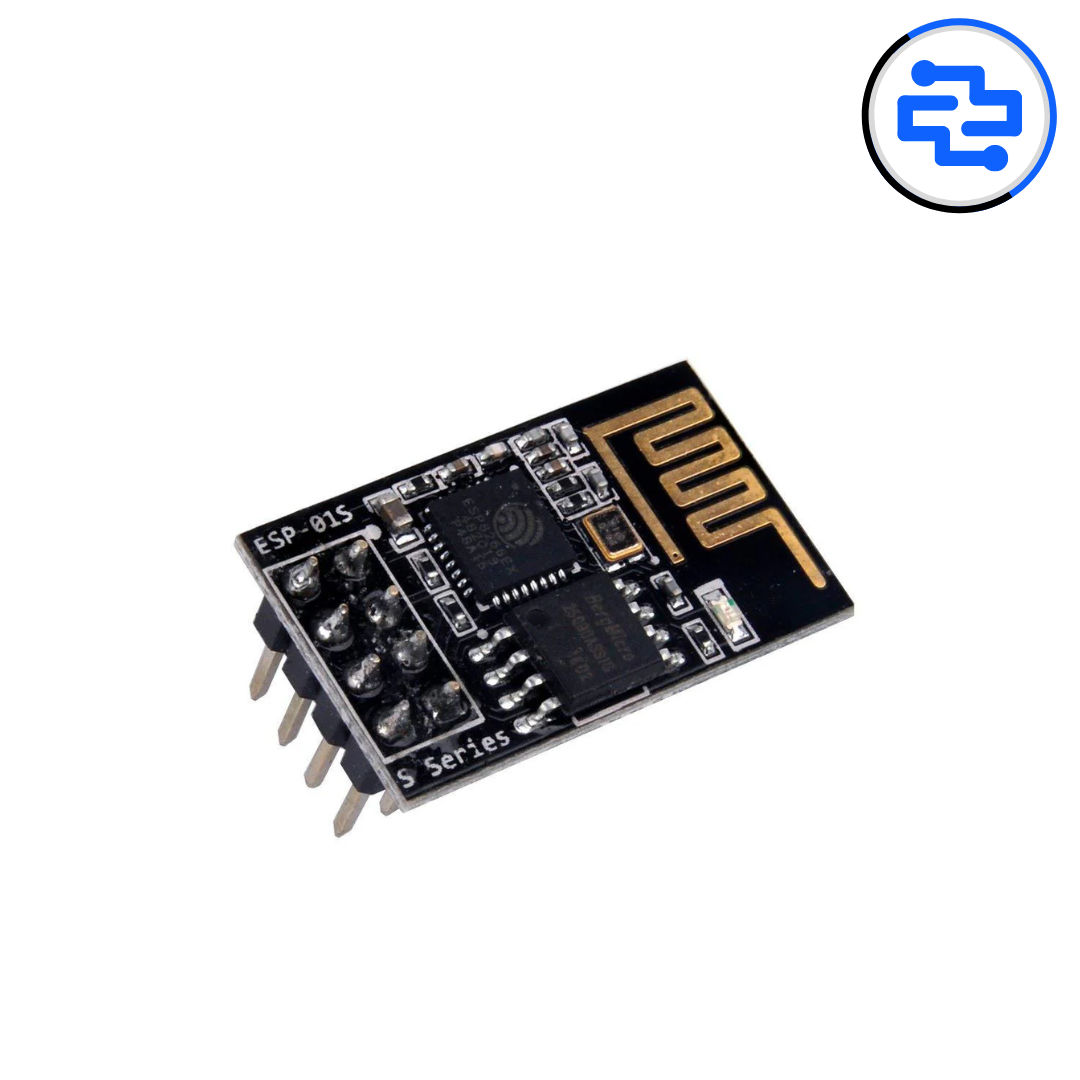
ESP-01 ESP8266 Serial WIFI Wireless Transceiver Module
In Stock
₹110.00
(Excl. GST)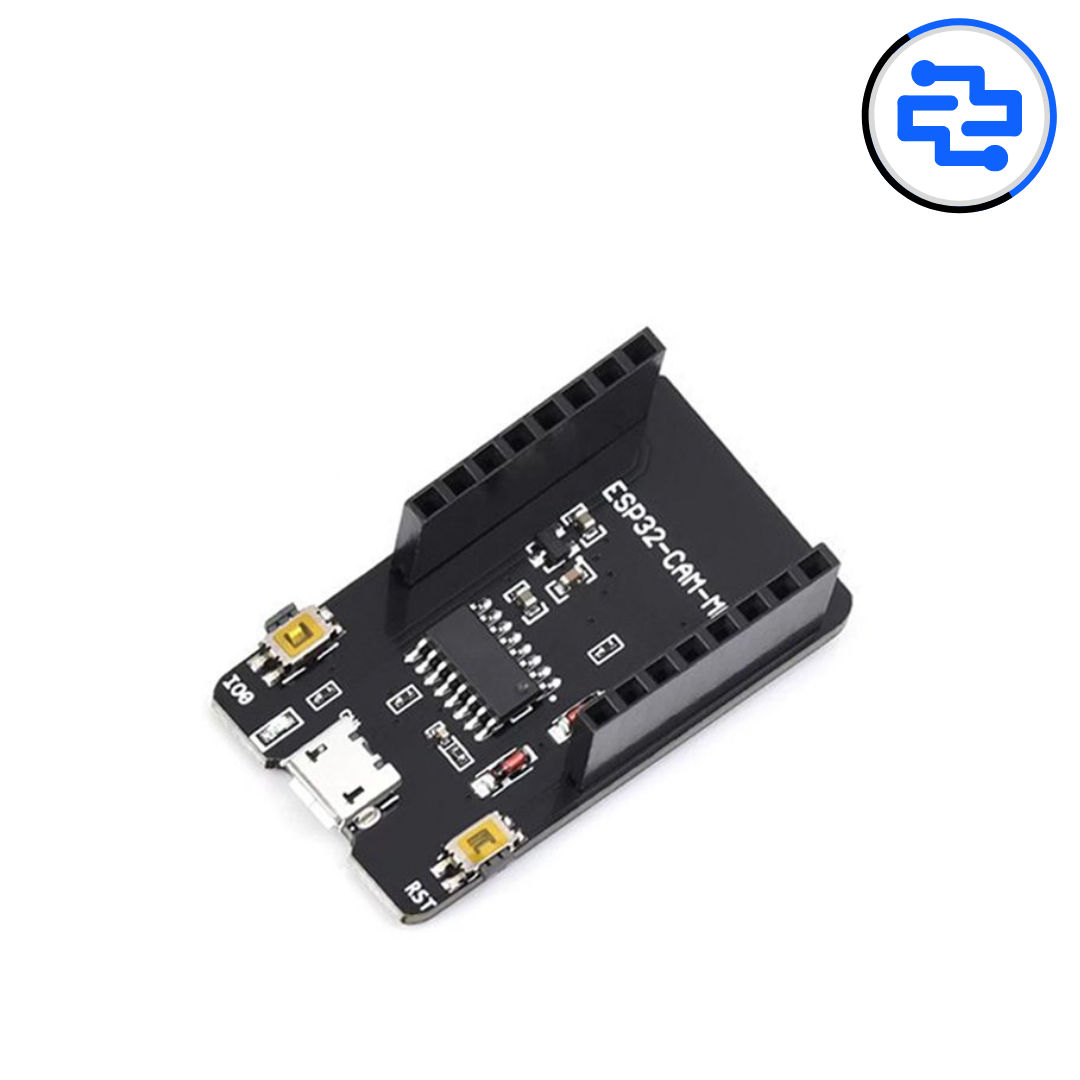
ESP32 CAM Breakout Board
In Stock
₹120.00
(Excl. GST)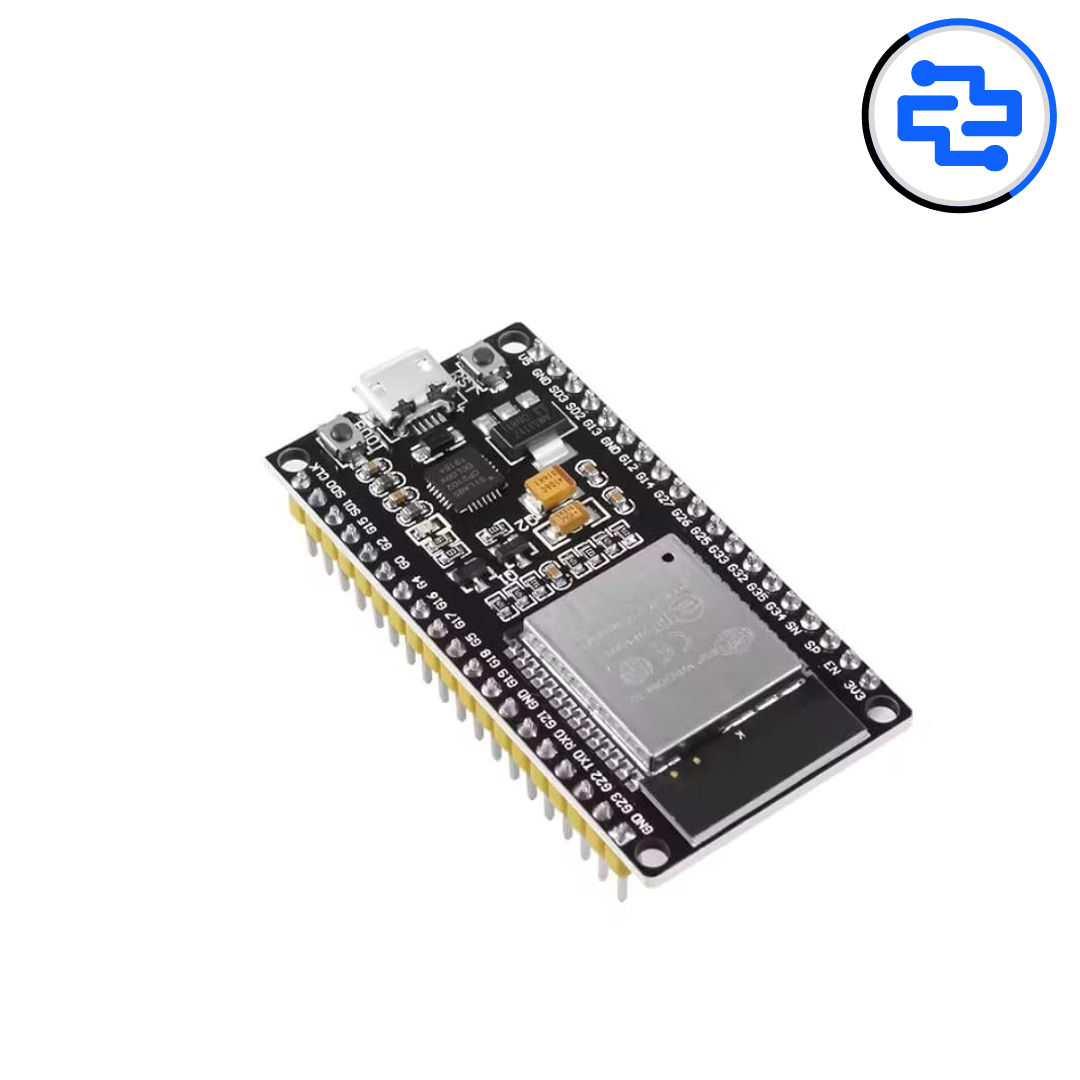
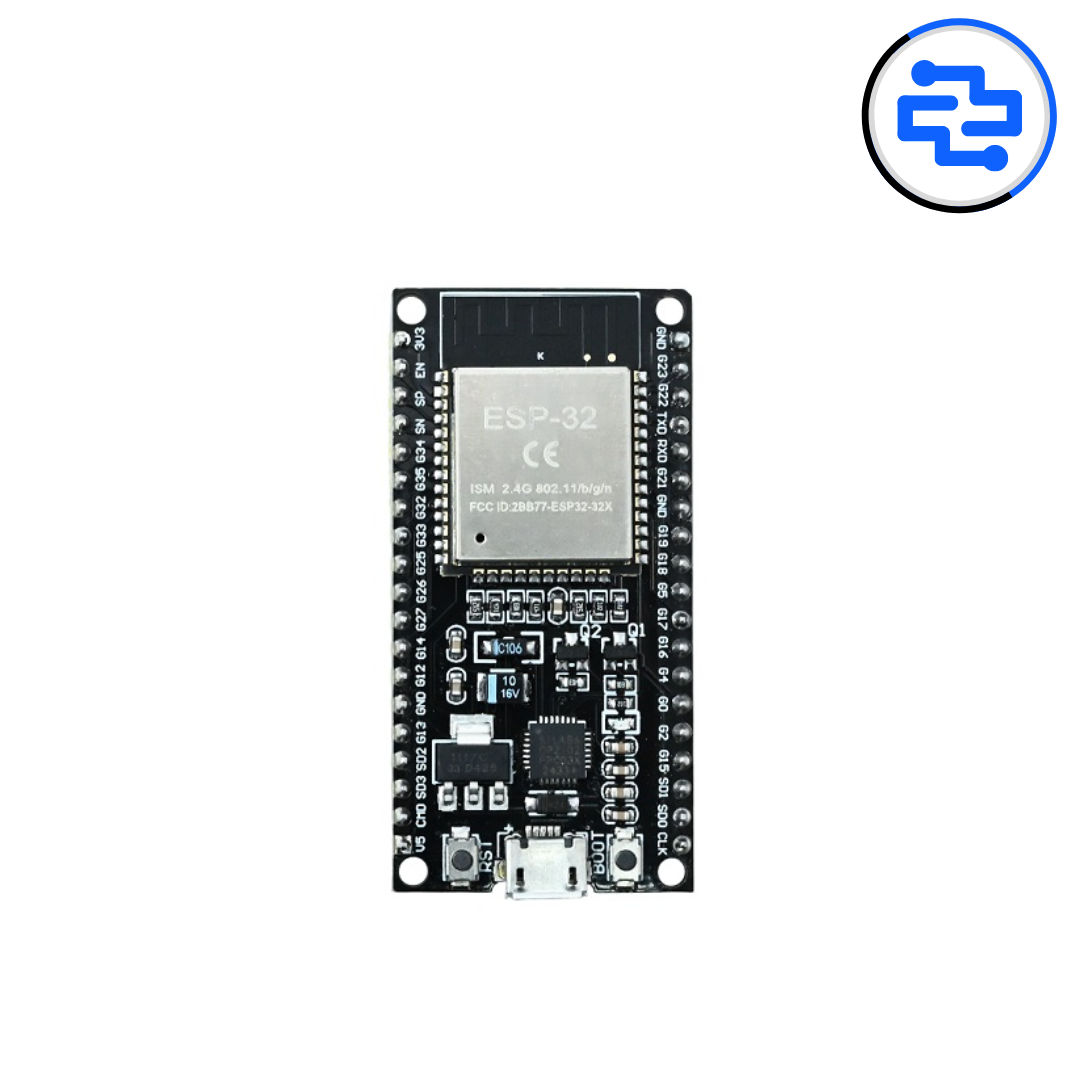
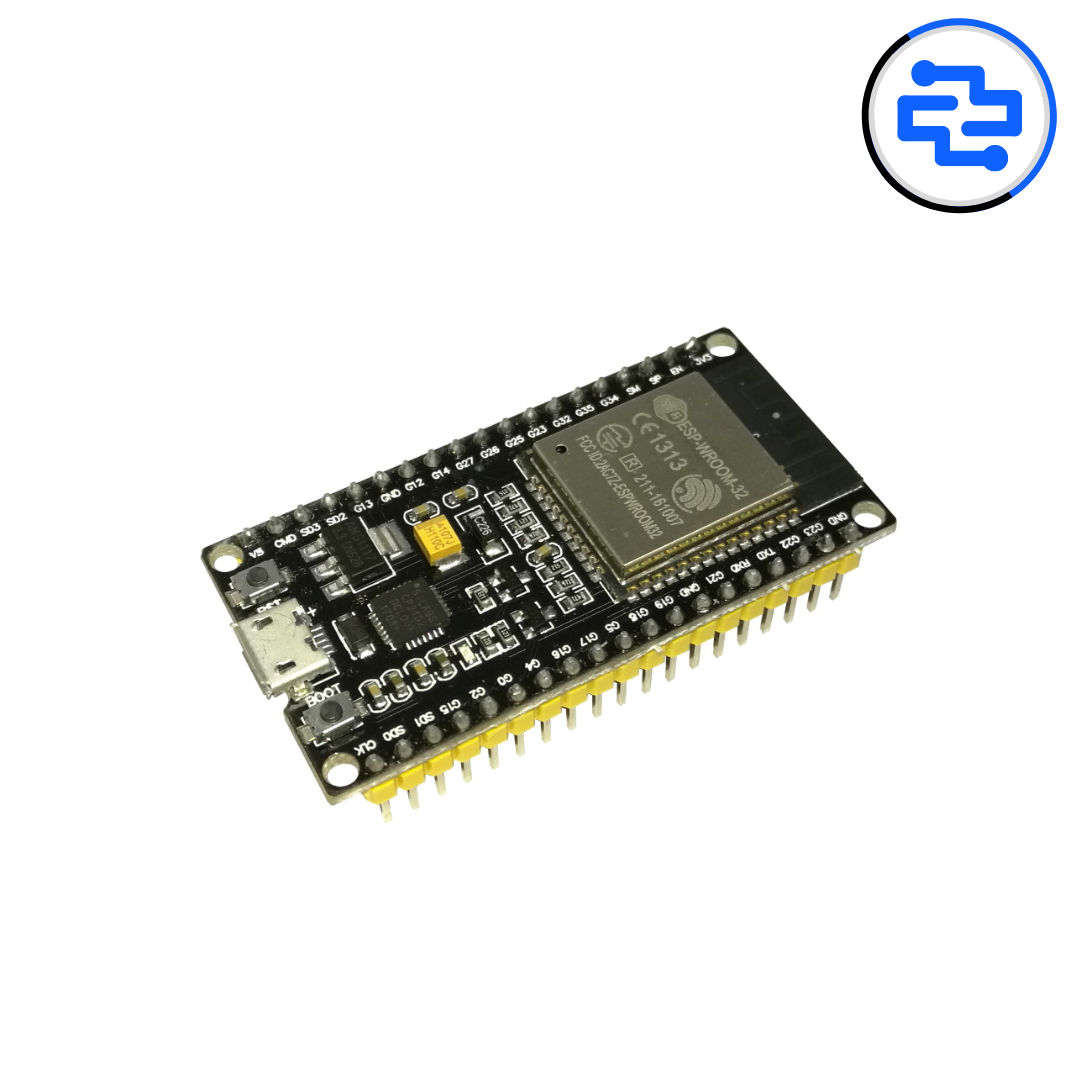
ESP32 38Pin Development Board
In Stock
₹430.00
(Excl. GST)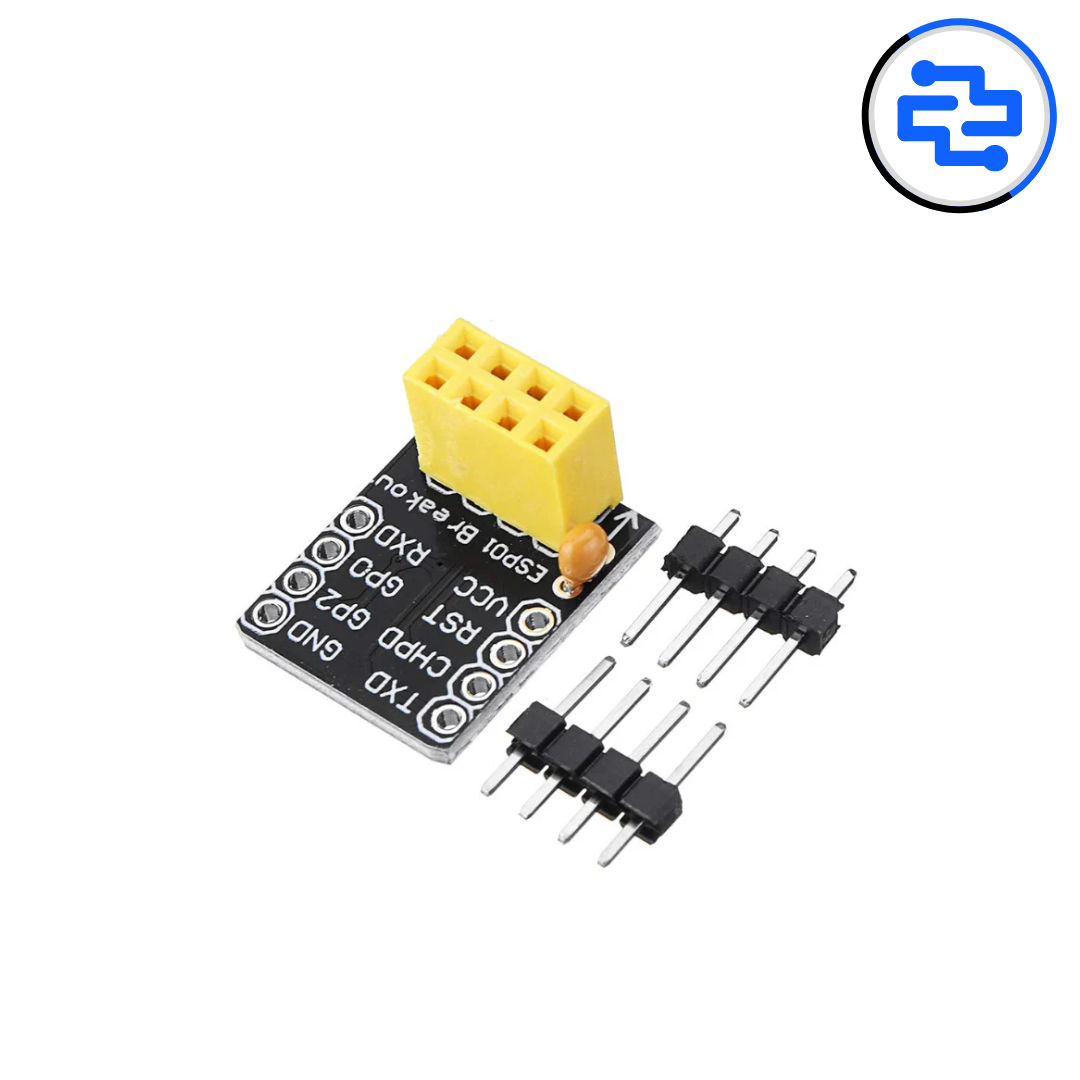
ESP01/01S Adapter Board
In Stock
₹50.00
(Excl. GST)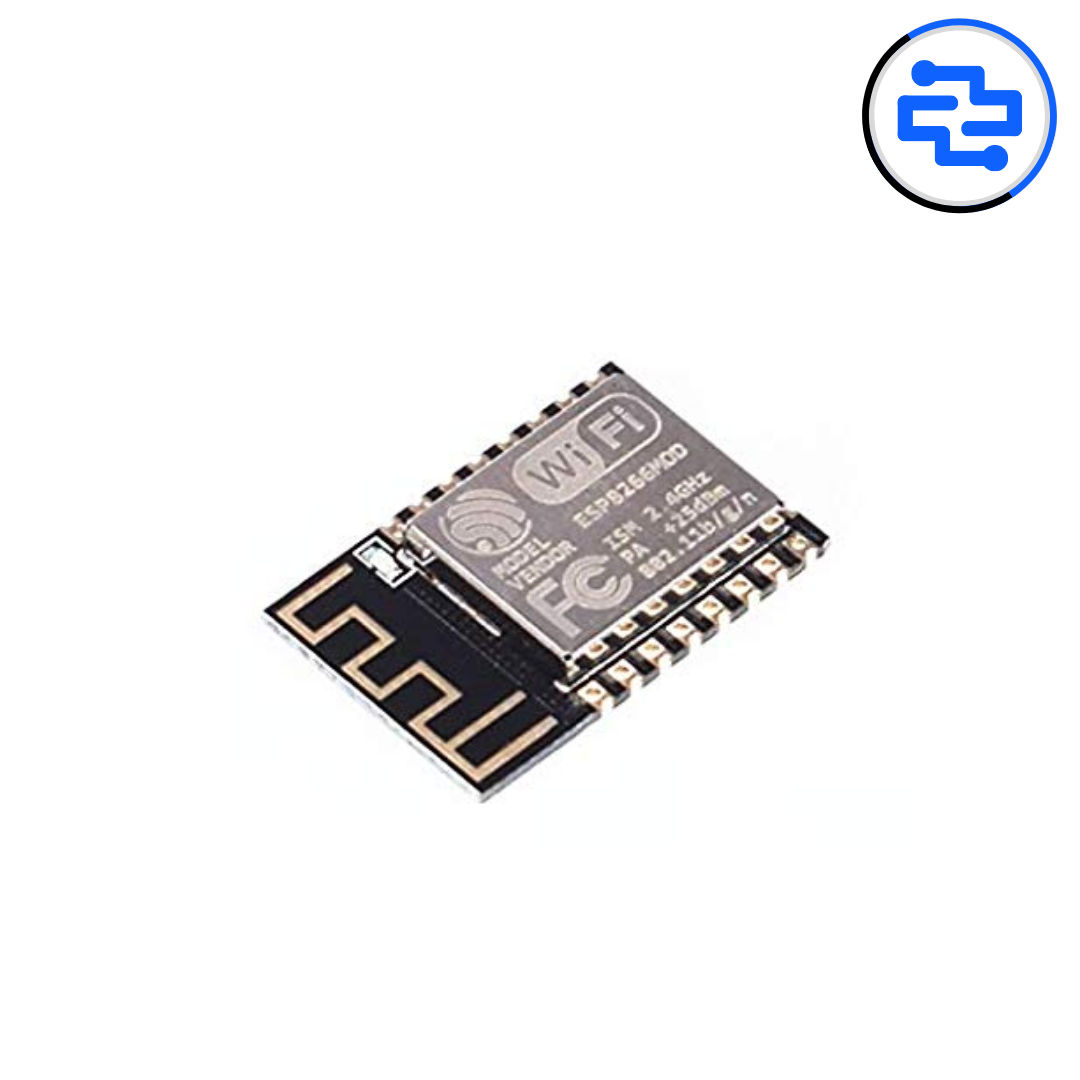
ESP-12F ESP8266 Wifi Wireless IoT Board
In Stock
₹145.00
(Excl. GST)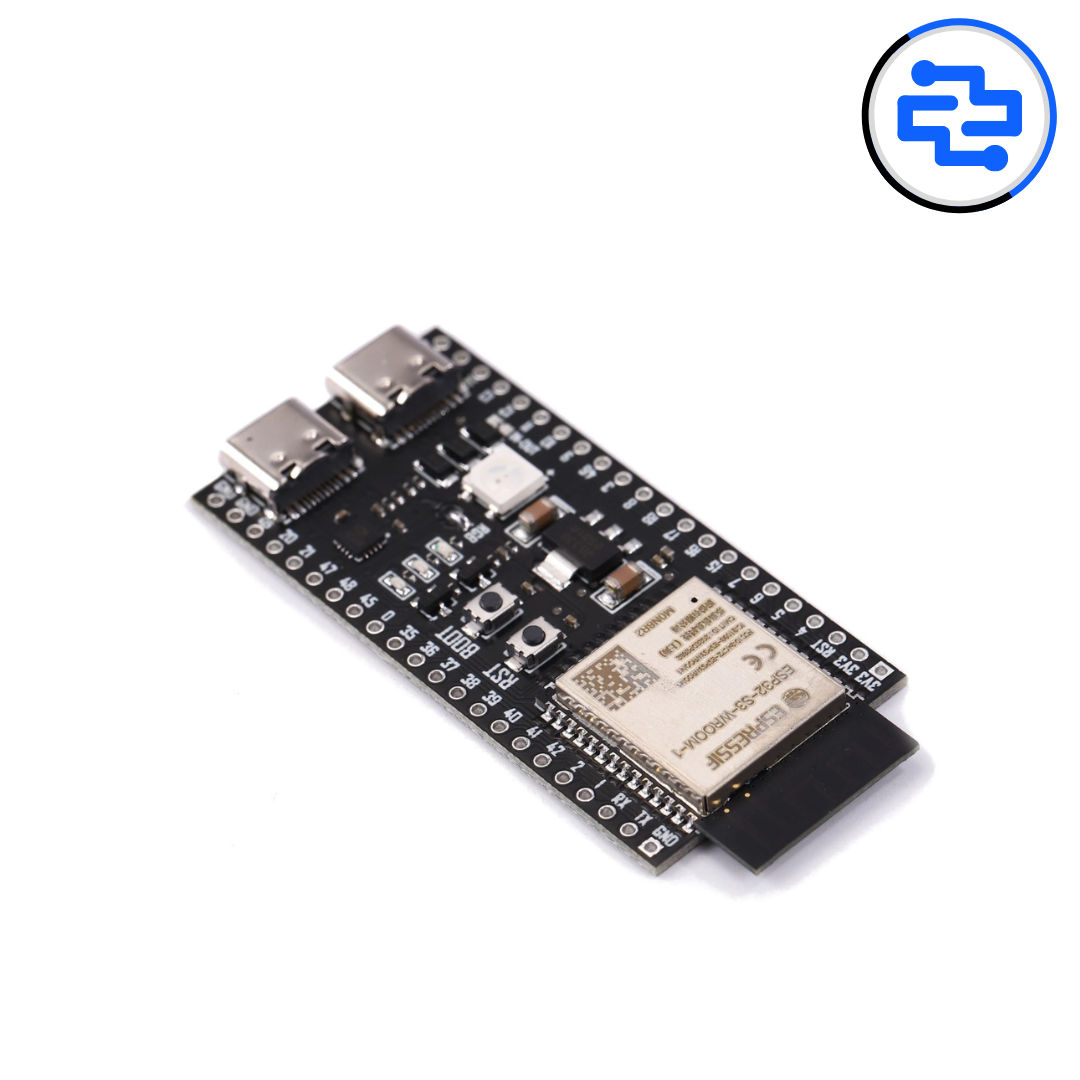
ESP32-S3 Development Board
In Stock
₹1010.00
(Excl. GST)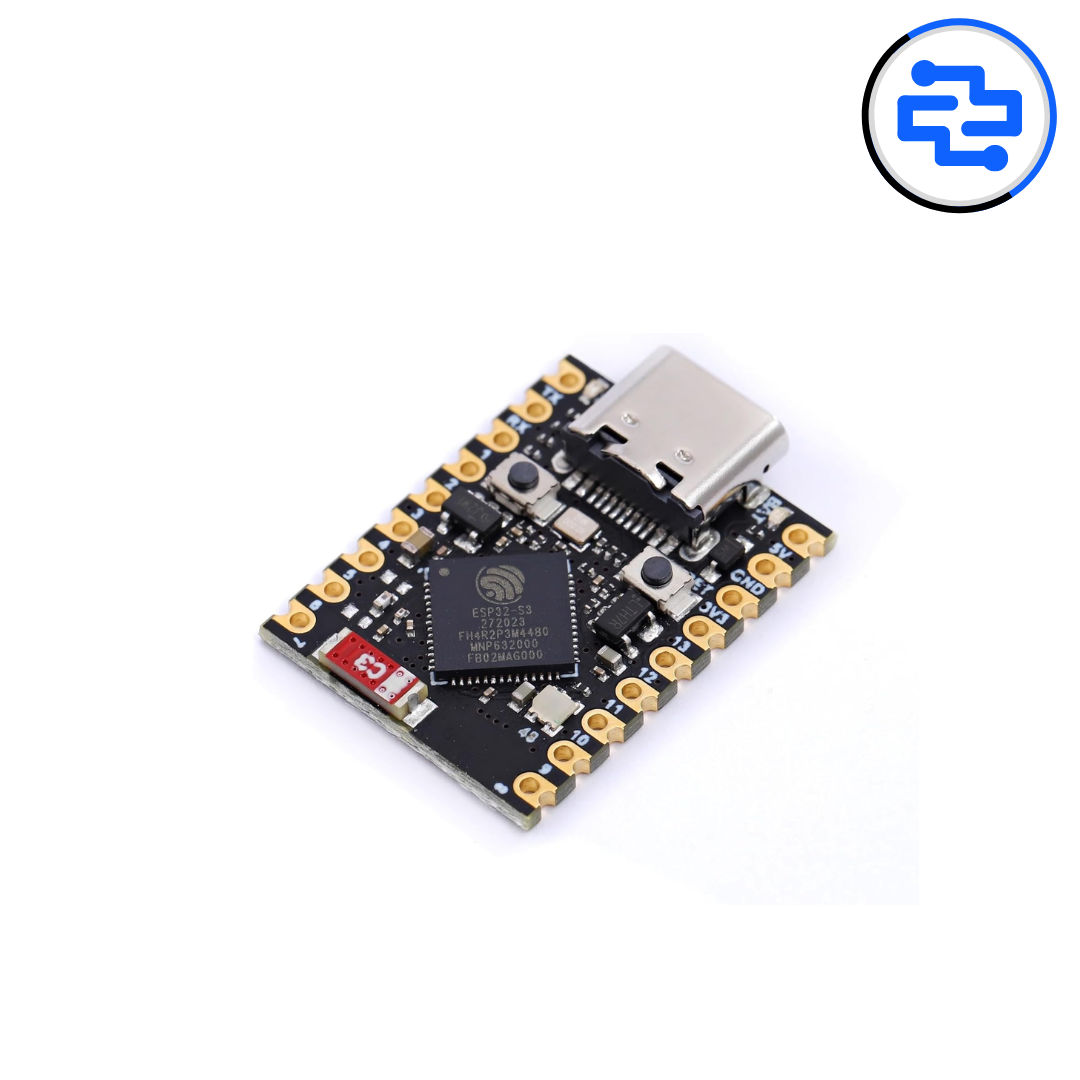
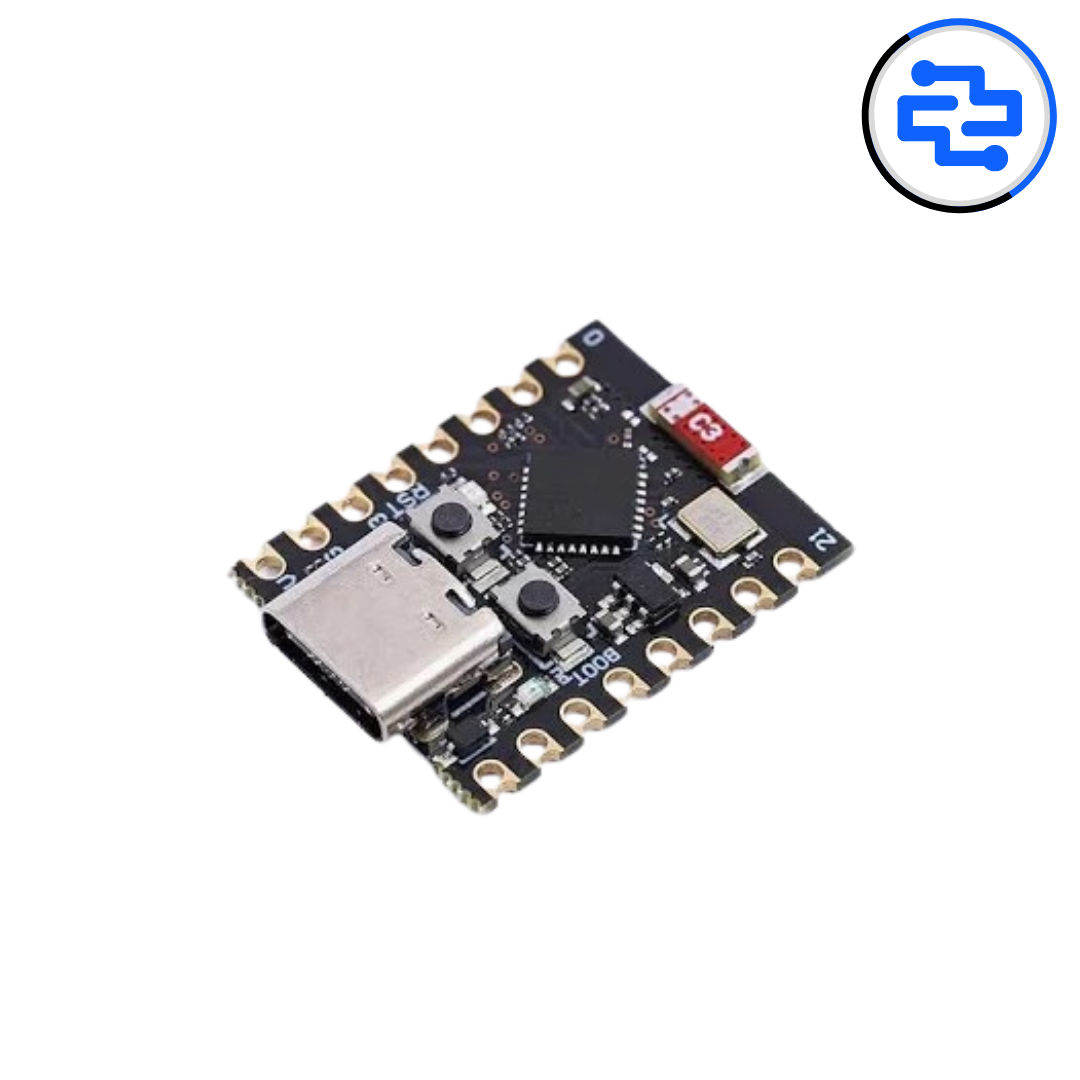
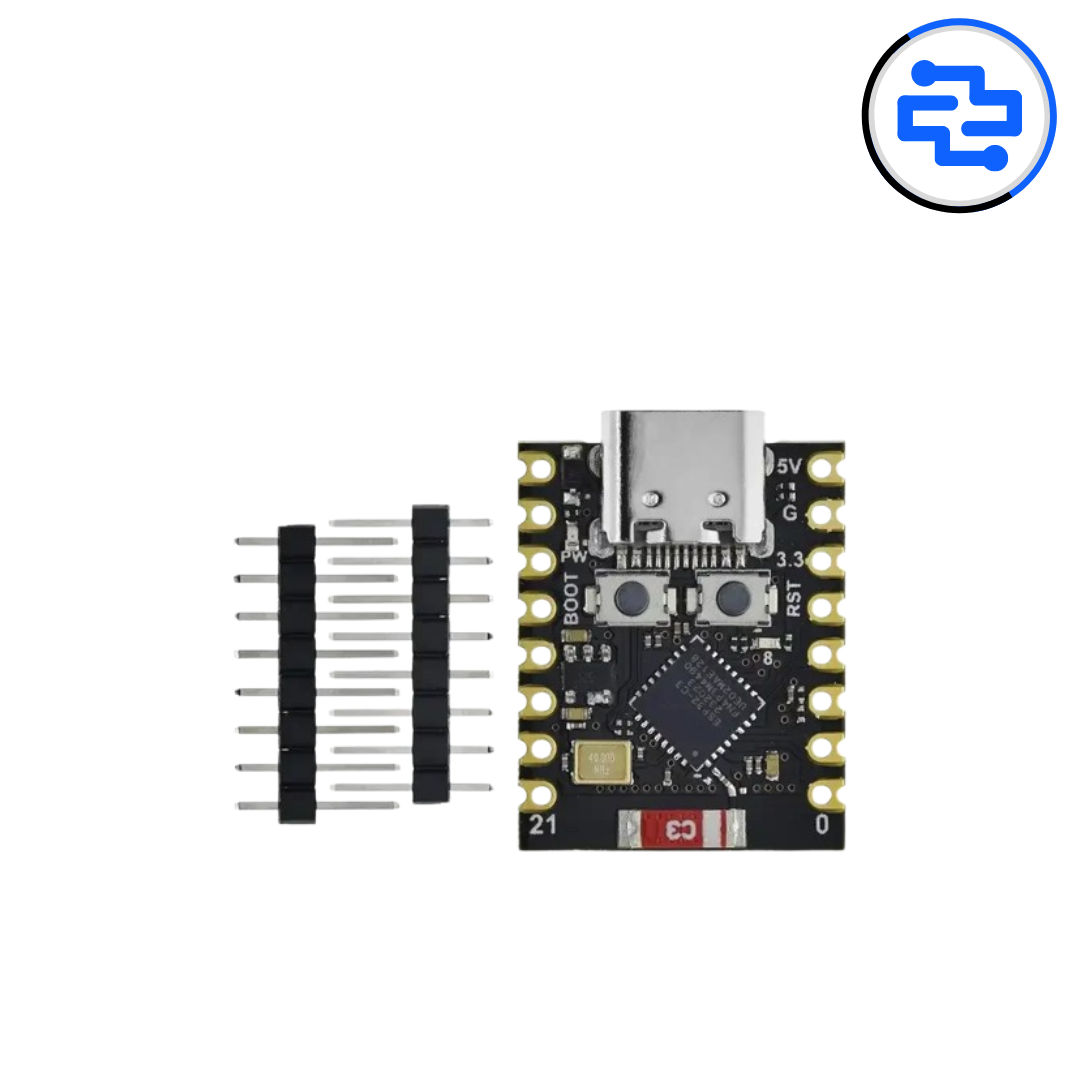
ESP32-C3 Mini Development Board
In Stock
₹250.00
(Excl. GST)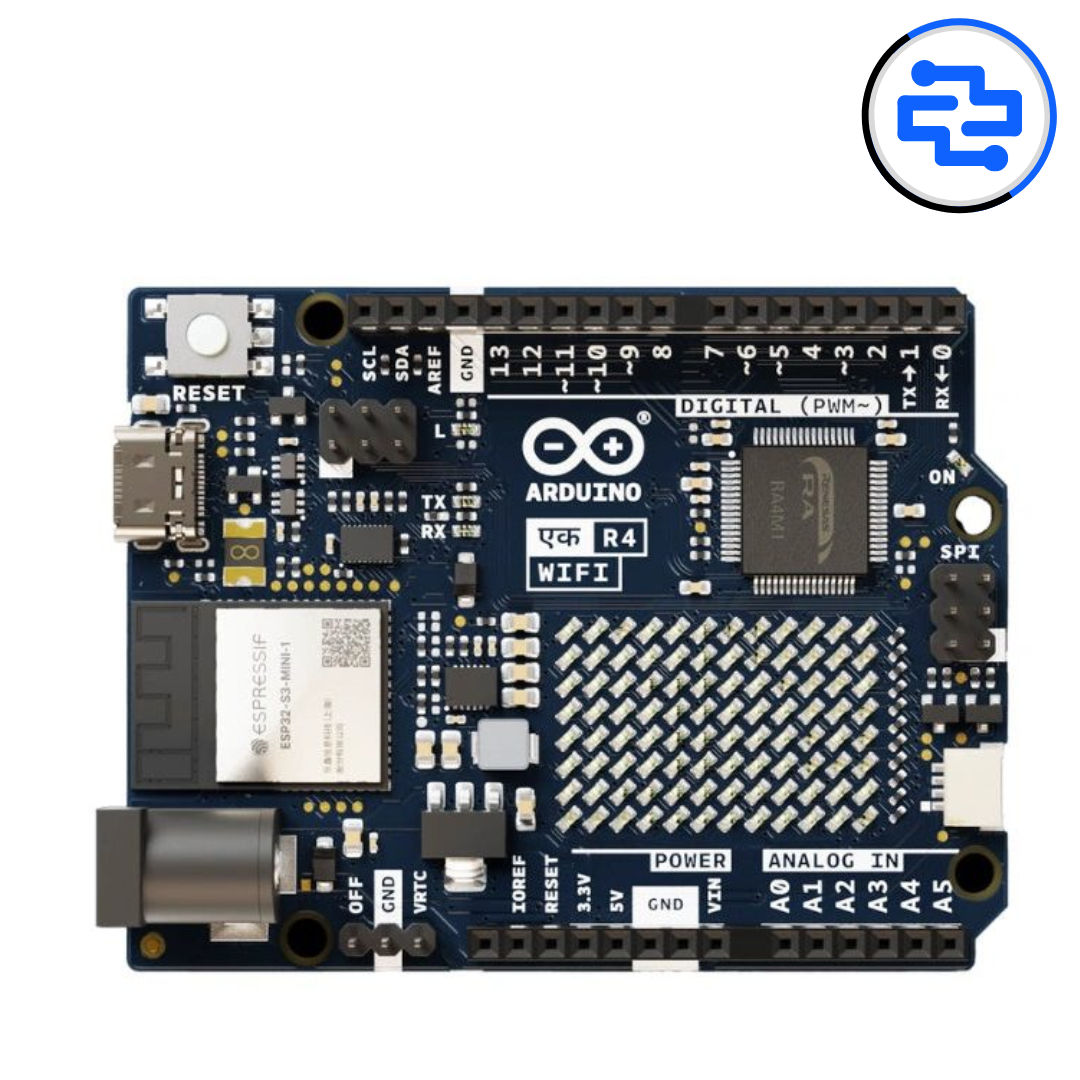
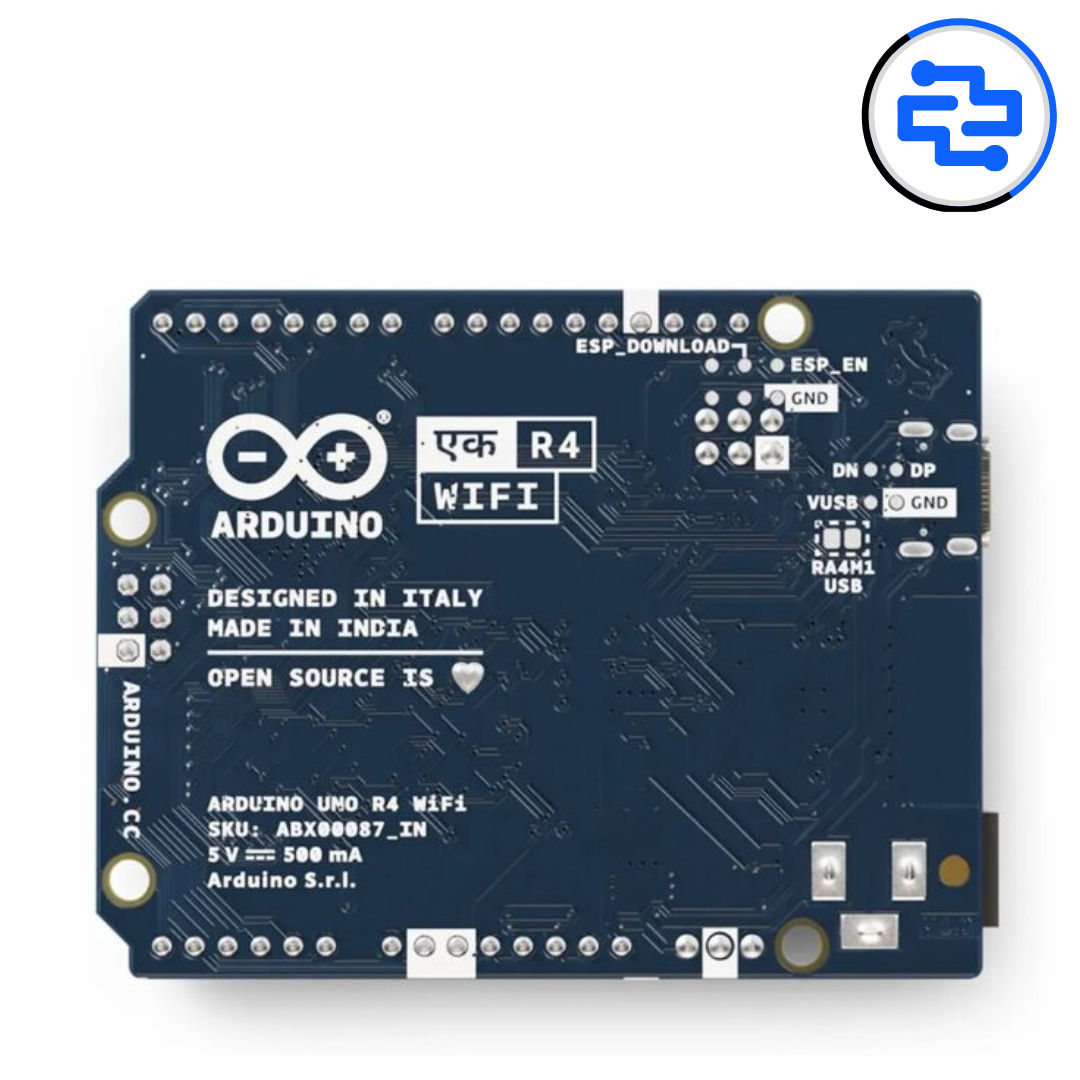
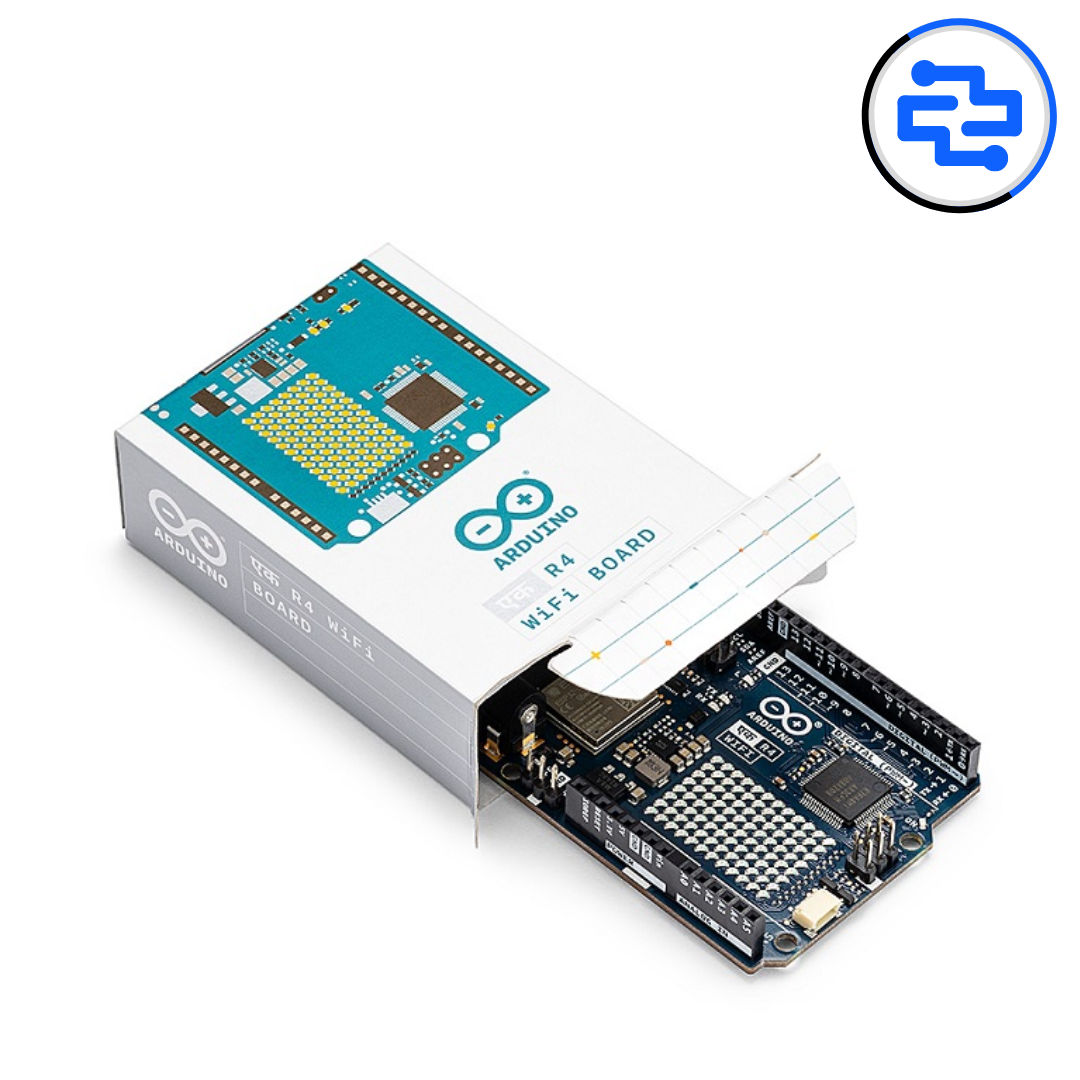
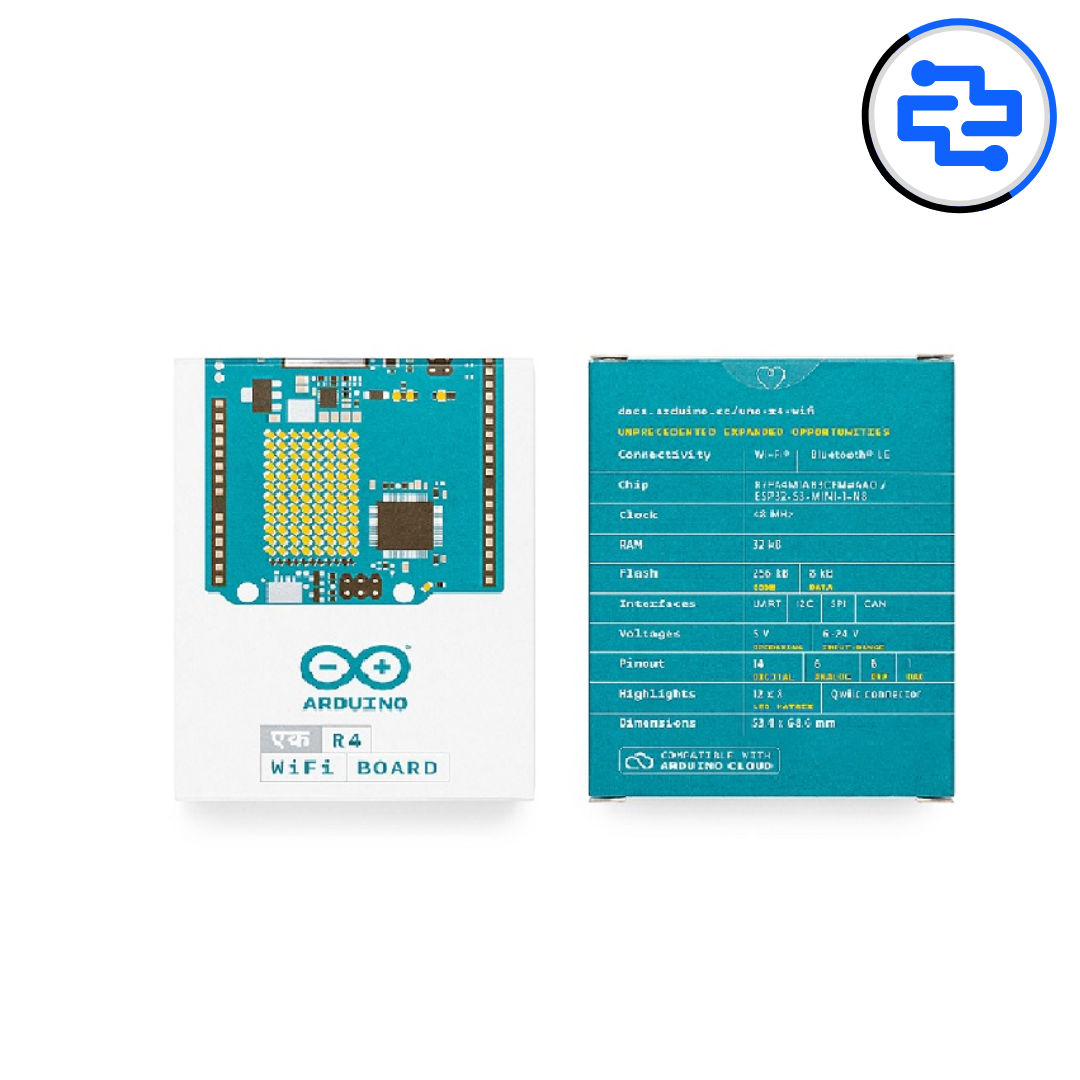
Official Arduino UNO EK R4 WiFi ABX00087_IN - Made in India
In Stock
₹1320.00
(Excl. GST)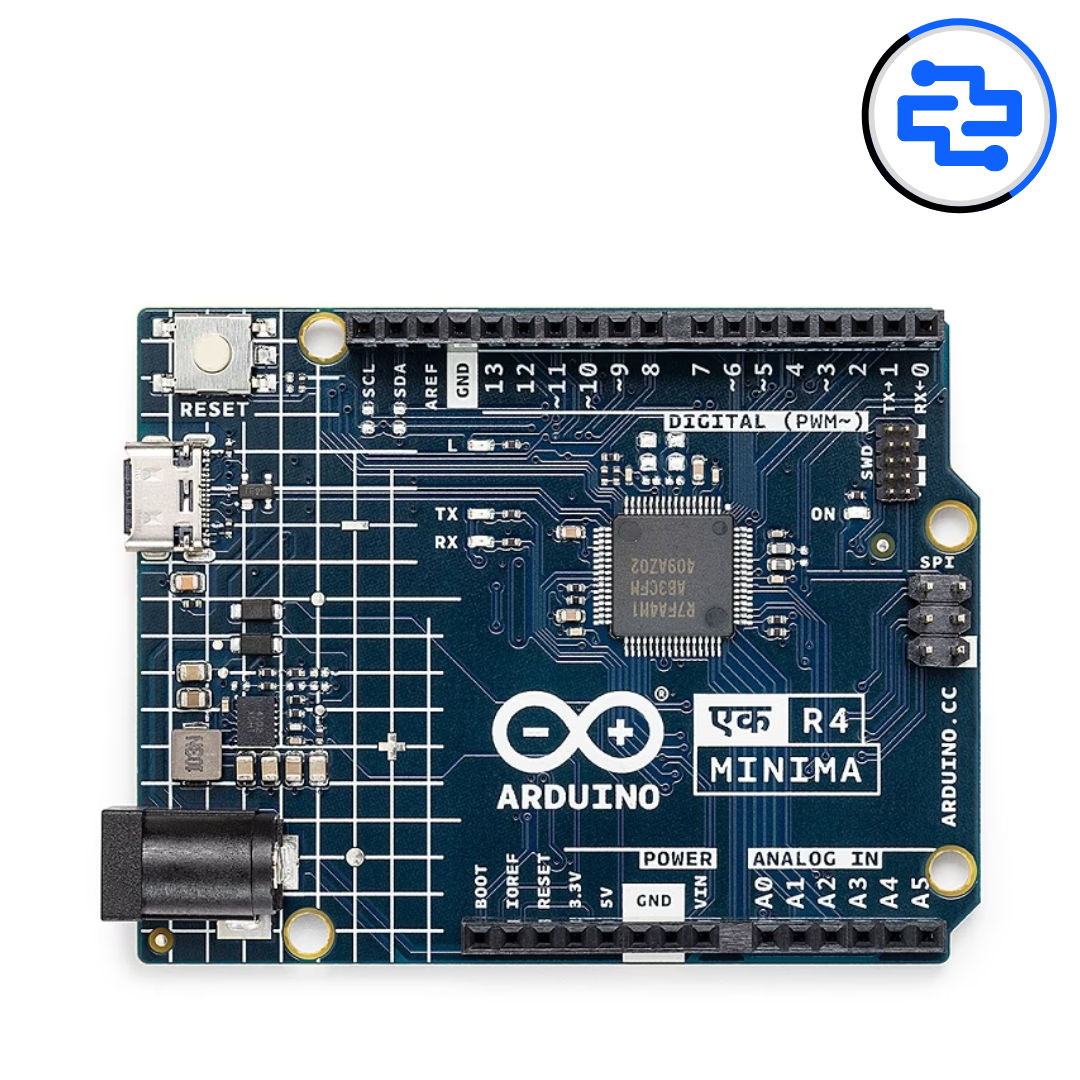
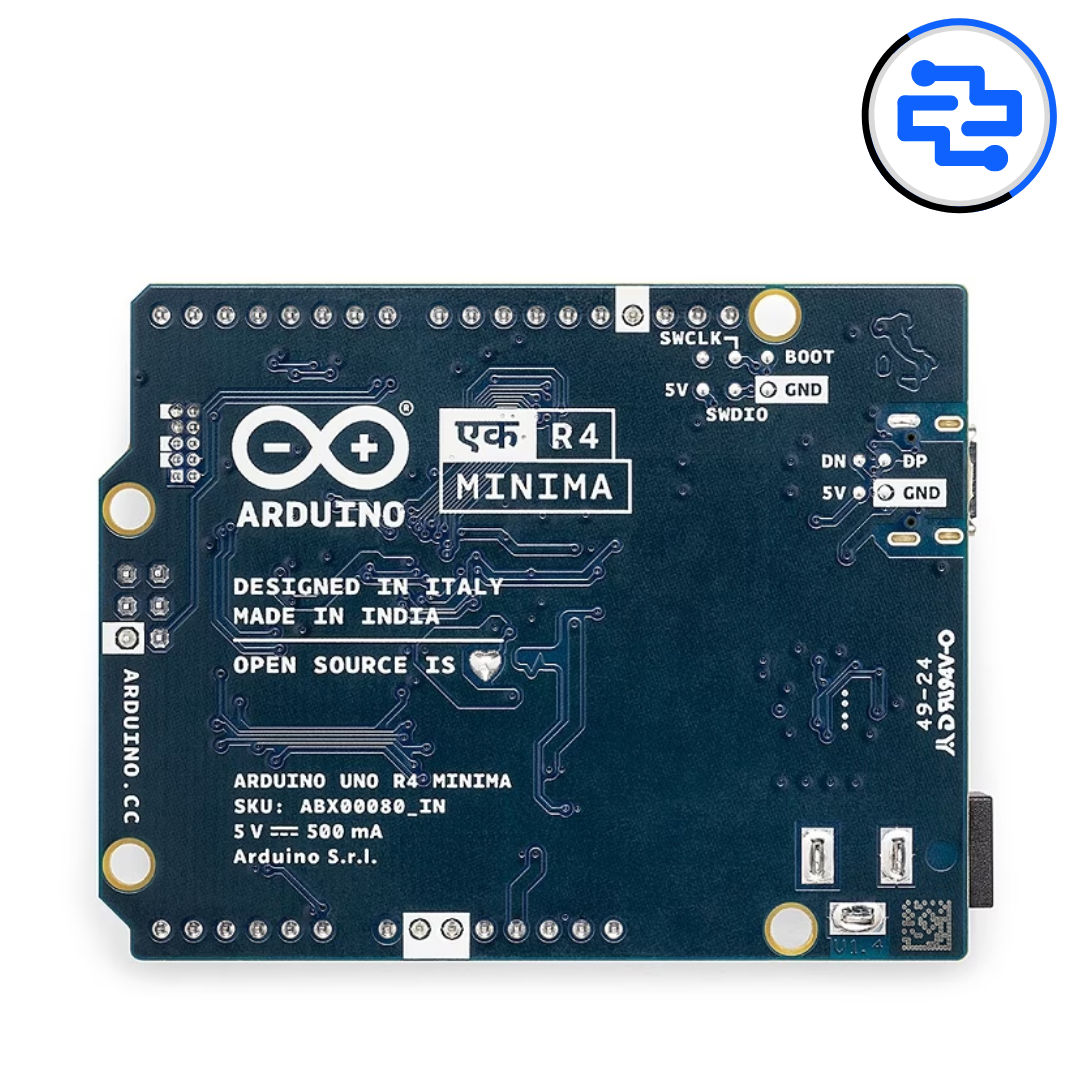
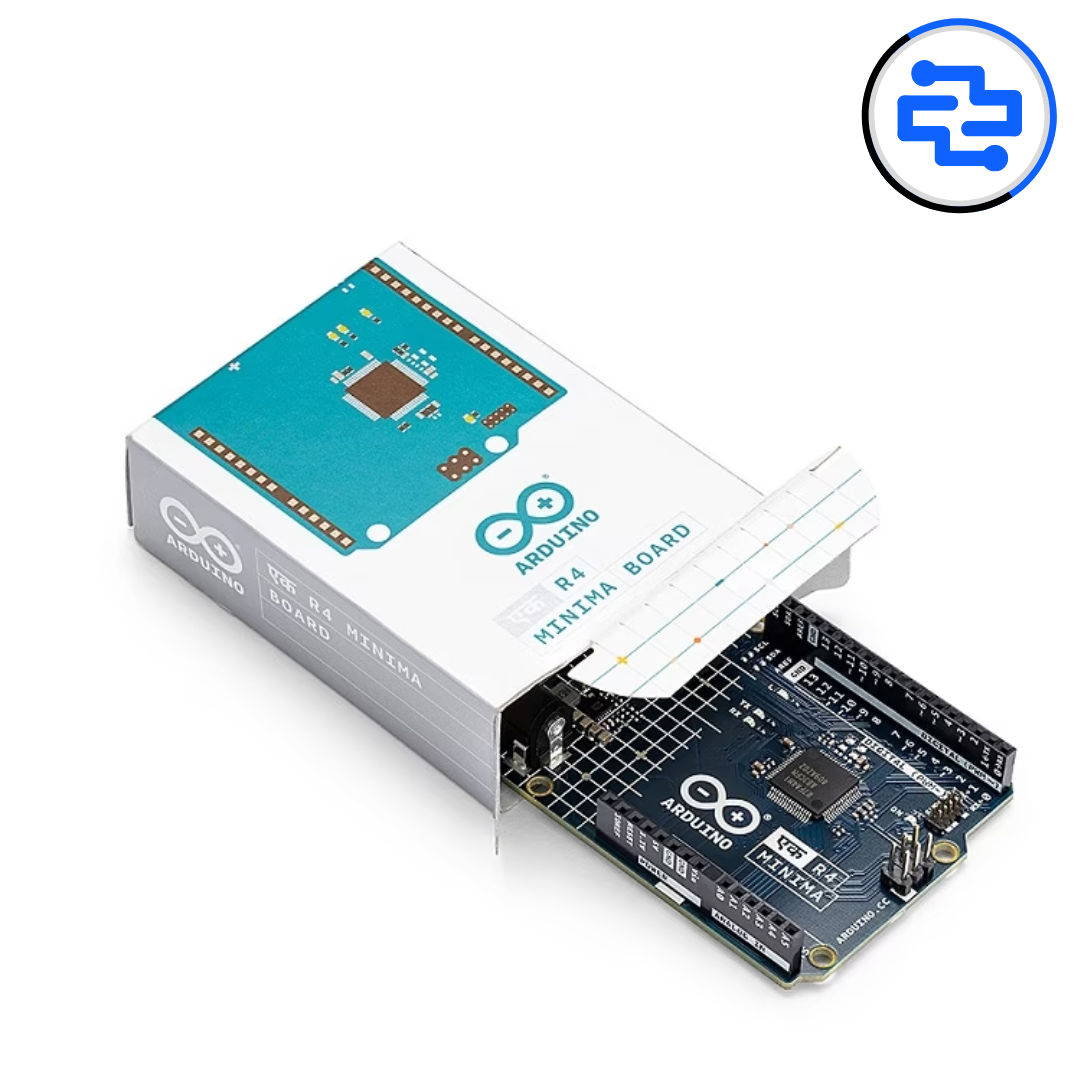
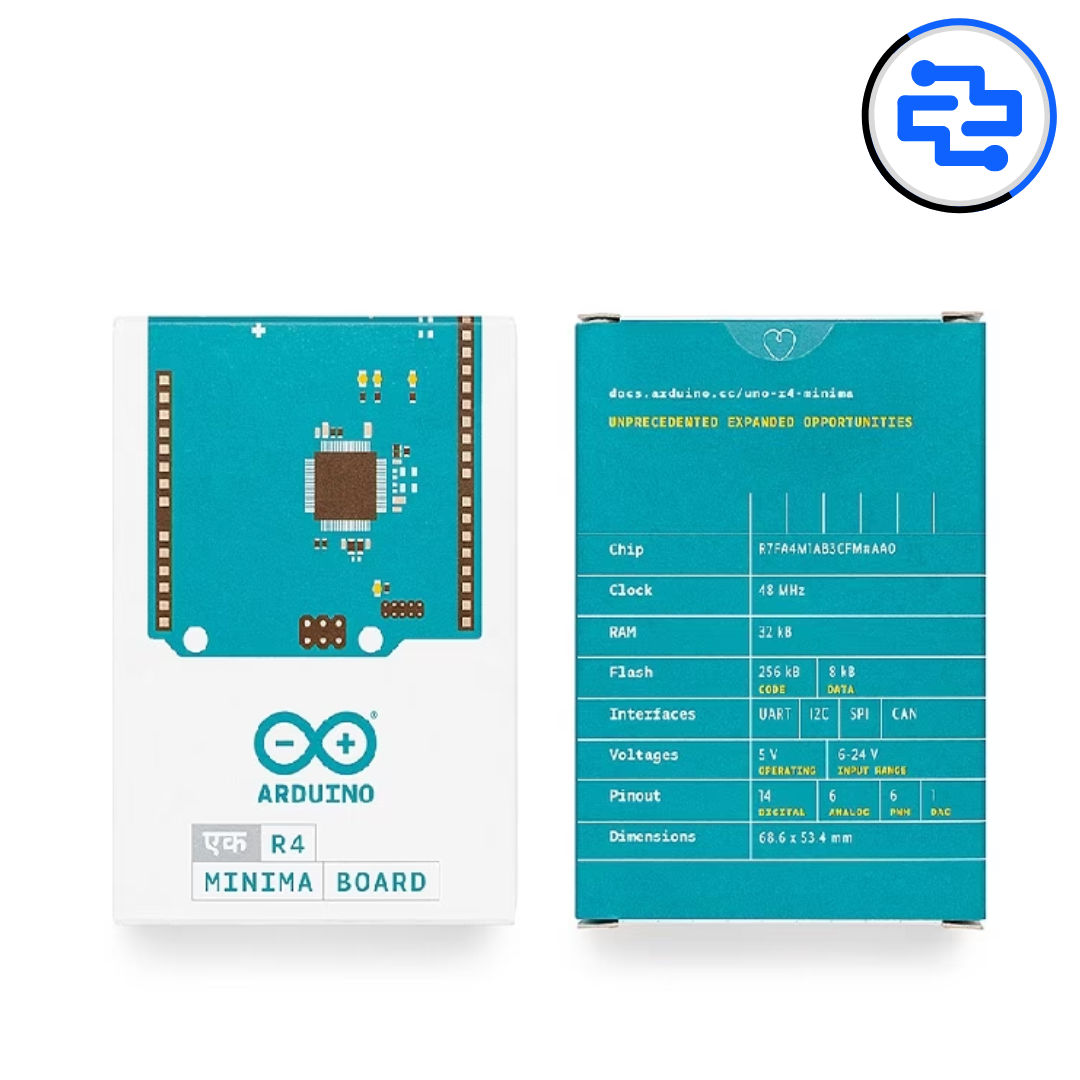
Official Arduino UNO EK (एक) R4 Minima ABX00080_IN - Made in India
In Stock
₹850.00
(Excl. GST)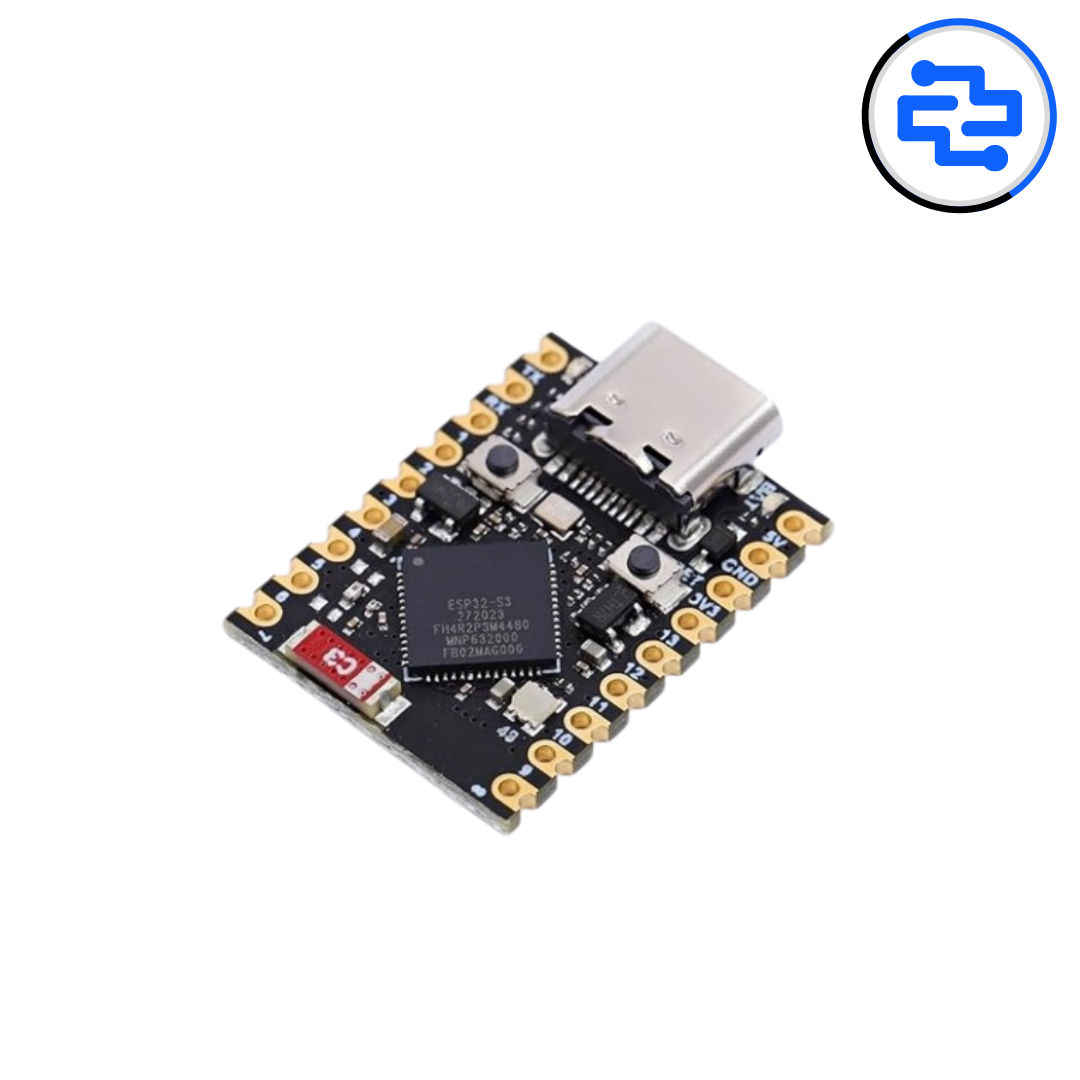
ESP32-S3 Supermini Development Board
In Stock
₹425.00
(Excl. GST)