


What is Development Board?
Discover what a development board is, how it works, and why it's essential for electronics, IoT, robotics, and embedded systems. This beginner-friendly guide explains the different types of development boards, their key features, applications, and how to choose the right board for your next project.
What is a Development Board? A Complete Beginner's Guide
If you're starting your journey into electronics, embedded systems, IoT, or robotics, one of the first terms you'll encounter is a development board. Whether you're building a smart home device, programming a robot, or creating an industrial prototype, a development board provides the foundation for turning your ideas into working projects.
In this guide, we'll explain what a development board is, how it works, its main components, popular types, applications, and how to choose the right one for your next project.
What is a Development Board?
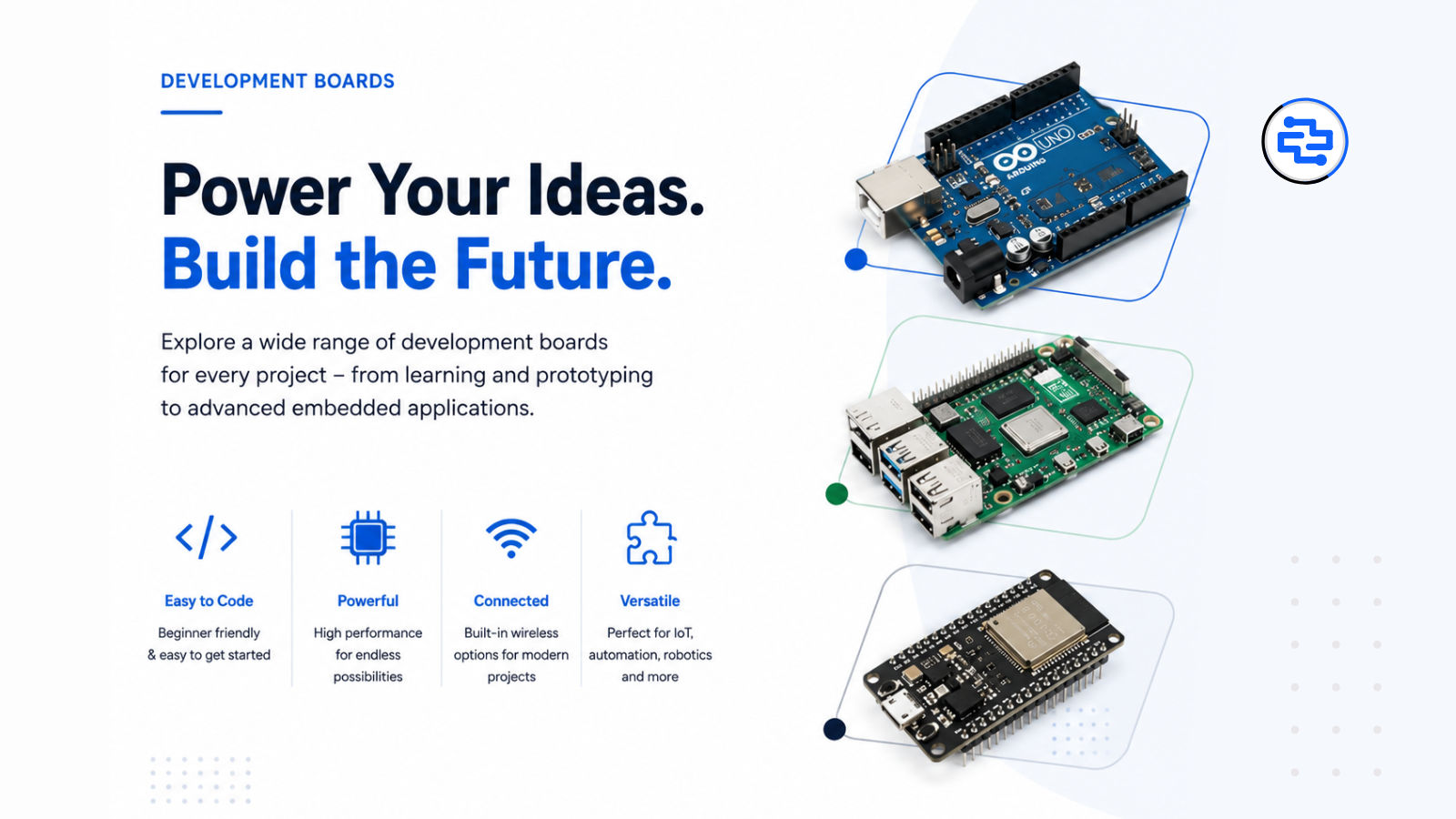
A development board is a pre-assembled electronic circuit board designed to help developers, students, engineers, and hobbyists create, test, and prototype electronic applications quickly. It includes a microcontroller or microprocessor along with essential components such as power management, USB connectivity, input/output (I/O) pins, programming interfaces, and communication modules.
Instead of designing a circuit from scratch, a development board allows you to write code, upload it to the board, connect sensors or modules, and immediately start building projects.
Development boards are widely used for learning programming, product development, automation, robotics, Internet of Things (IoT), and embedded system design.
Why are Development Boards Important?
Designing custom hardware for every new idea is time-consuming and expensive. Development boards simplify the process by providing a ready-to-use platform that lets you focus on coding, testing, and innovation.
Some of the key benefits include:
Faster project development
Easy hardware prototyping
Reusable platform for multiple projects
Compatible with a wide range of sensors and modules
Ideal for beginners and professionals alike
Large community support and documentation
Main Components of a Development Board
Although different boards have different features, most development boards include the following components:
Microcontroller or Microprocessor
This is the "brain" of the board. It processes instructions, controls connected devices, and executes your program.
USB Interface
Used for programming the board and supplying power from a computer.
GPIO Pins
General Purpose Input/Output (GPIO) pins allow the board to communicate with sensors, LEDs, motors, relays, displays, and other electronic components.
Power Circuit
Regulates and distributes power safely across the board.
Communication Interfaces
Most development boards include communication protocols such as:
UART
SPI
I²C
USB
CAN Bus
Wi-Fi
Bluetooth
Ethernet (on selected boards)
These interfaces enable communication with other devices and systems.
Types of Development Boards
There are several categories of development boards, each designed for different applications.
Arduino Development Boards
Arduino boards are among the most popular choices for beginners and makers. They are easy to program using the Arduino IDE and support thousands of sensors, shields, and modules.
Popular Arduino boards include:
Arduino UNO R4 WiFi
Arduino UNO R3
Arduino Mega 2560
Arduino Nano
Arduino Nano ESP32
These boards are ideal for learning electronics, automation, and robotics.
ESP32 Development Boards
ESP32 boards feature built-in Wi-Fi and Bluetooth, making them perfect for Internet of Things (IoT) applications.
Common uses include:
Smart home automation
Wireless sensor networks
IoT dashboards
Mobile app-controlled devices
Remote monitoring systems
Raspberry Pi Development Boards
Unlike microcontroller-based boards, Raspberry Pi boards are full-featured single-board computers capable of running Linux.
They are widely used for:
Artificial Intelligence (AI)
Computer Vision
Media Servers
Home Automation
Edge Computing
Robotics
STM32 Development Boards
STM32 boards are based on ARM Cortex processors and are commonly used in industrial, automotive, and commercial embedded systems due to their high performance and low power consumption.
Applications of Development Boards
Development boards are used across multiple industries and educational fields.
Robotics
Control motors, sensors, robotic arms, and autonomous vehicles.
Internet of Things (IoT)
Build connected devices that communicate over Wi-Fi, Bluetooth, or the cloud.
Home Automation
Create smart lighting, security systems, smart switches, and energy monitoring solutions.
Industrial Automation
Develop machine monitoring systems, process control units, and industrial communication devices.
Education
Schools, colleges, universities, and STEM labs use development boards to teach programming, electronics, and embedded systems.
Product Prototyping
Startups and hardware companies use development boards to quickly validate product ideas before designing custom PCBs.
How to Choose the Right Development Board
When selecting a development board, consider the following factors:
Processing Power
Choose a board that matches your project's complexity.
Connectivity
If your project requires wireless communication, select a board with built-in Wi-Fi or Bluetooth.
Number of GPIO Pins
Ensure the board has enough input/output pins for your sensors, displays, and actuators.
Community Support
Boards with active communities and extensive documentation are easier to learn and troubleshoot.
Software Compatibility
Check that the board supports the development environment and programming language you plan to use.
Popular Development Boards Available at Directronics
At Directronics, we offer a wide range of genuine development boards for students, makers, engineers, and industries.
Our collection includes:
Arduino Development Boards
ESP32 Development Boards
Raspberry Pi Boards
STM32 Development Boards
Development Board Accessories
Sensors and Modules
Displays
Motor Drivers
Communication Modules
IoT Components
Whether you're building your first electronics project or developing an advanced embedded system, you'll find the right hardware to get started.
Frequently Asked Questions
What is a development board used for?
A development board is used to build, test, and prototype electronic and embedded system projects without designing custom hardware from scratch.
What is the difference between a microcontroller and a development board?
A microcontroller is the integrated circuit that performs processing, while a development board is a complete platform that includes the microcontroller along with power management, programming interfaces, and connectors.
Which development board is best for beginners?
Arduino development boards, especially the Arduino UNO series, are widely recommended for beginners due to their ease of use, extensive documentation, and strong community support.
Are development boards used in industries?
Yes. Development boards are commonly used for rapid prototyping, proof-of-concept development, research, testing, and educational purposes before creating production-ready hardware.
Conclusion
A development board is one of the most valuable tools for anyone interested in electronics, embedded systems, robotics, or IoT. It provides a ready-to-use platform that simplifies hardware development, speeds up prototyping, and helps transform ideas into functional projects.
Whether you're a beginner learning programming or an engineer designing advanced automation systems, choosing the right development board is the first step toward successful product development.
Explore a wide range of genuine Arduino, ESP32, Raspberry Pi, STM32, and other development boards at Directronics and start building your next innovation with confidence.
Related Products
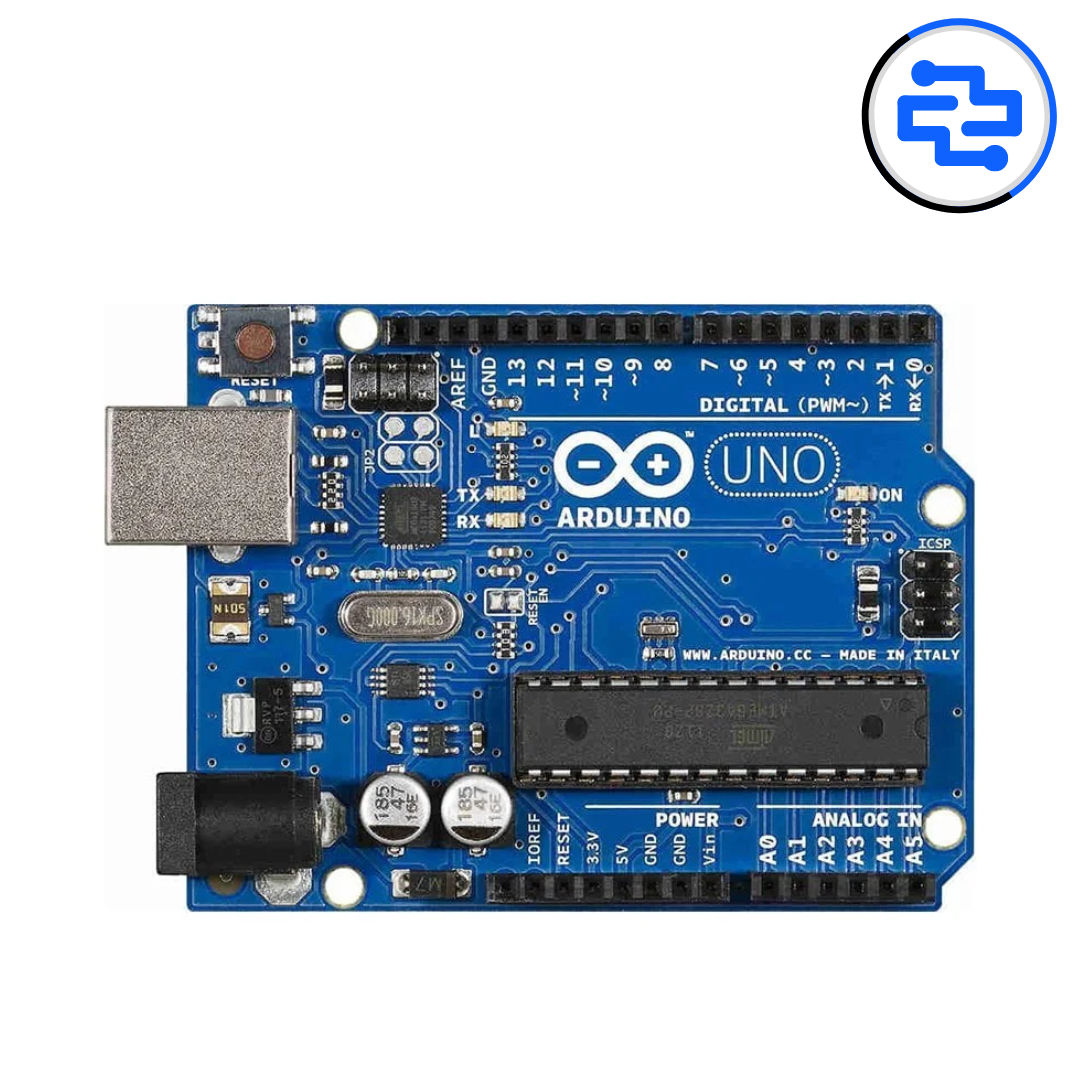
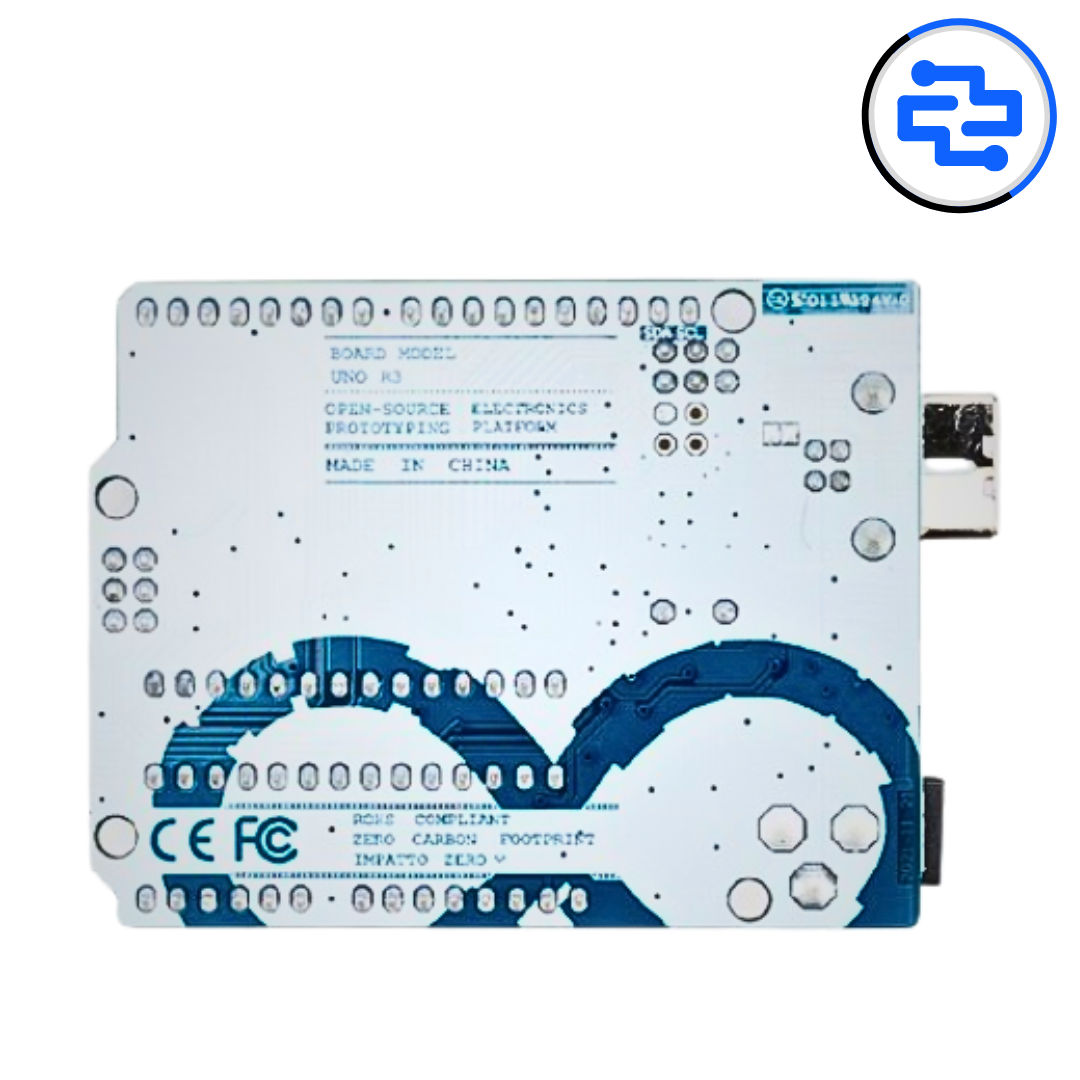
Arduino Uno R3 Development Board
In Stock
₹435.00
(Excl. GST)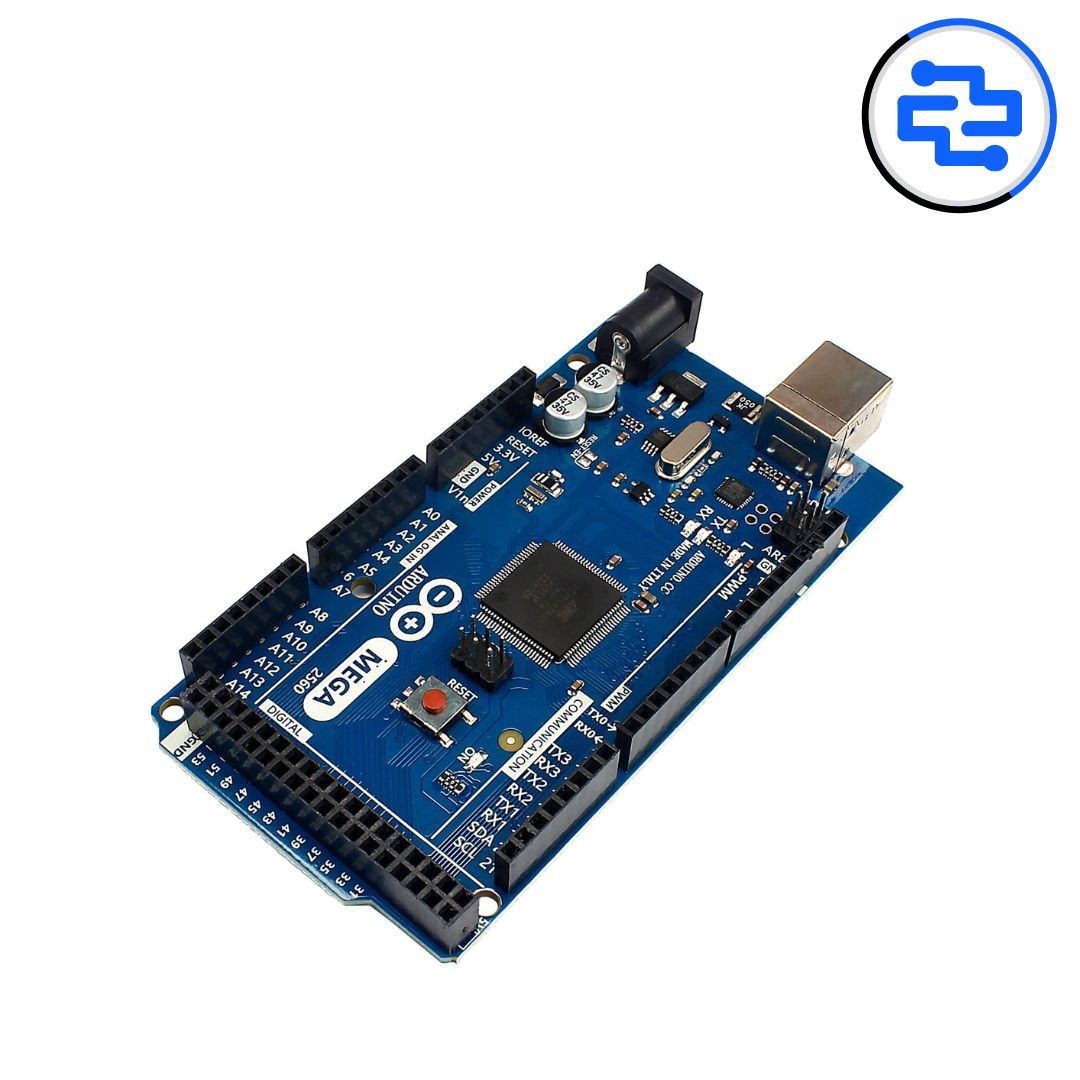
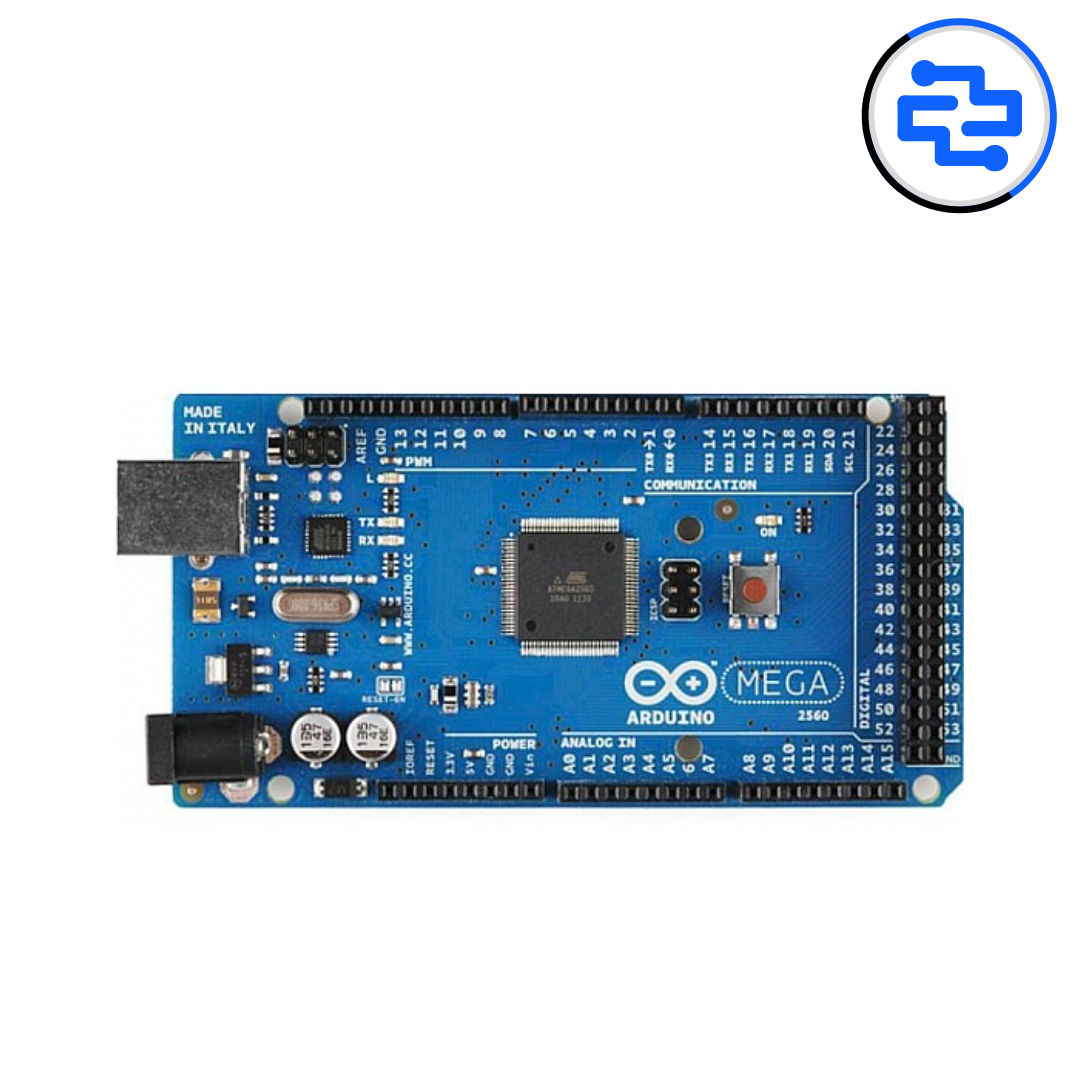
Arduino Mega 2560
In Stock
₹1250.00
(Excl. GST)